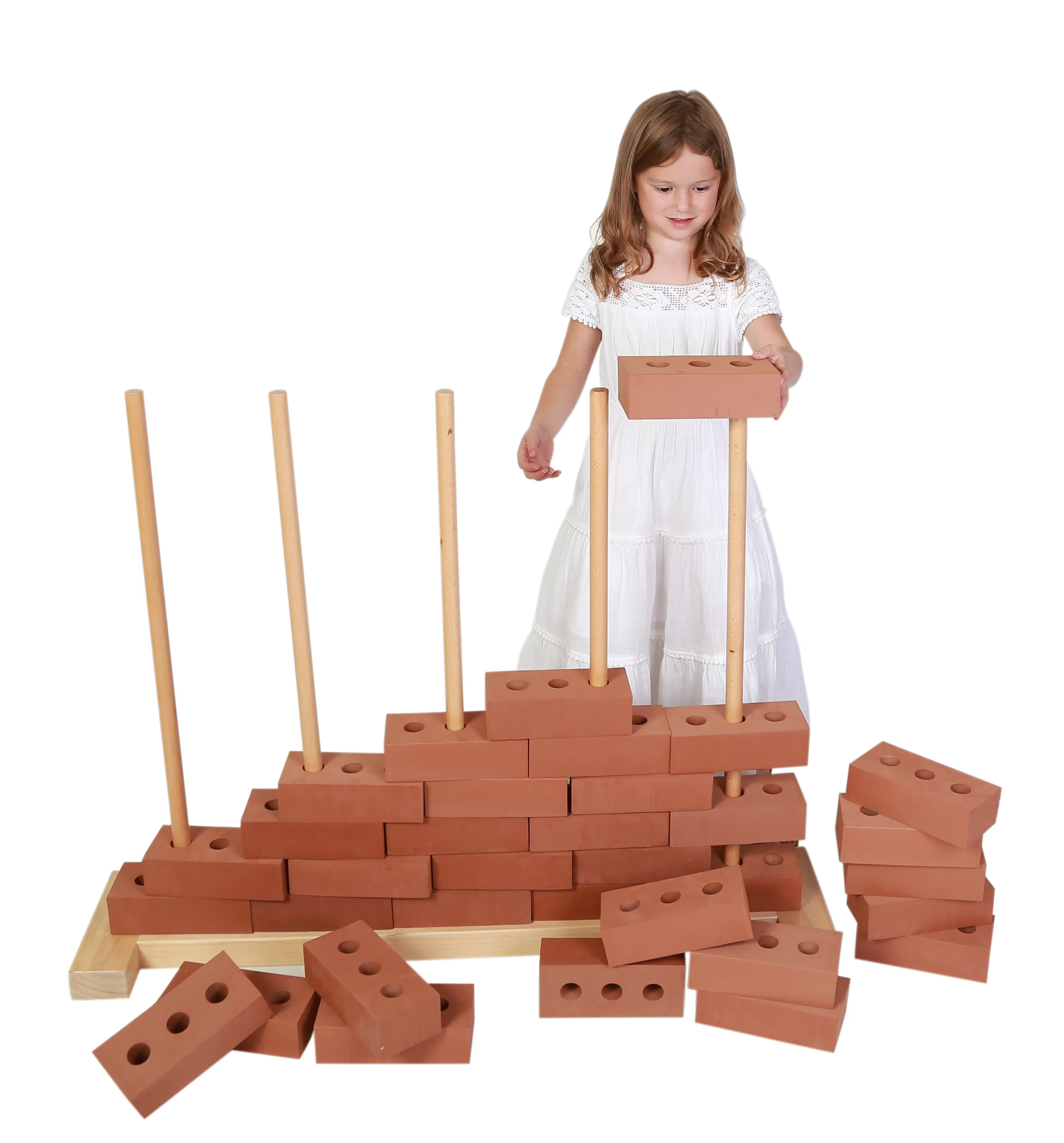
The Benefits of Giant Building Blocks
Giant building blocks have grown in popularity among children and educators alike, emerging as a staple in play areas, classrooms, and homes. These oversized toys encourage imagination and hands-on learning experiences. From supporting physical development to inspiring creativity, the benefits of giant building blocks are numerous and varied. In this comprehensive exploration, we will delve into the many advantages of these playful structures. If you're looking for ideas or inspiration, discover more on how these blocks can transform playtime.
Enhancing Motor Skills
One of the primary benefits of giant building blocks is their ability to enhance both fine and gross motor skills. As children stack, lift, and manipulate these large blocks, they develop essential coordination and dexterity. This type of physical activity is crucial during the early years of development, where children learn to navigate their bodies and control their movements. Studies show that engaging in activities with building blocks can lead to improved balance and strength, as children learn how to appropriately manage their weight and body positioning.
Stimulating Creativity
Giant building blocks serve as a catalyst for creativity, presenting limitless opportunities for imaginative play. Unlike traditional toys that have specific functions, building blocks can be transformed into anything a child can dream up—castles, vehicles, or even entire cities. This creative freedom encourages children to think outside the box and invent new stories and scenarios. Furthermore, incorporating themes, such as outer space or underwater adventures, may further enhance their imaginative play.
Promoting Social Interaction
Playing with giant building blocks often requires collaboration, making them excellent tools for promoting social interaction among children. As kids engage in group play, they practice essential social skills like teamwork, communication, and conflict resolution. They learn to share ideas, negotiate roles within play scenarios, and work together towards a common goal, such as constructing the tallest tower or the widest bridge. These interactions can help build lifelong friendships and improve their emotional intelligence.
Types of Giant Building Blocks
Giant building blocks come in various materials, sizes, and shapes, offering a diverse range of options for families and educators. Understanding these different types can help you choose the best blocks for your specific needs.
Materials Used in Manufacturing
Giant building blocks are typically made from various materials, each offering unique benefits. Some common materials include:
- Plastic: Durable and easy to clean, plastic blocks are often lightweight and weather-resistant, making them suitable for both indoor and outdoor play.
- Wood: Wooden blocks offer a classic feel and are often more aesthetically pleasing. They can be heavier and more solid, providing sturdiness for large constructions.
- Foam: Soft foam blocks are excellent for younger children, as they minimize the risk of injury. Their lightweight and cushioned texture allows for safe play while still providing creative engagement.
Sizes and Shapes Available
Giant building blocks come in various sizes and shapes to cater to different age groups and play styles. Some may be as small as a few inches while others can be up to several feet tall. Shapes can range from traditional cubes to more intricate forms such as arches, triangles, and custom designs. This variety encourages children to experiment with architectural concepts while building various structures.
Safe and Eco-Friendly Options
As environmental awareness grows, many manufacturers are producing eco-friendly giant building blocks. These blocks are made from sustainable sources, recycled materials, or non-toxic substances to ensure safer play experiences for children and a minimal impact on the planet. Parents can feel confident that their children are engaging with products that prioritize safety and sustainability.
Creative Building Ideas
While the possibilities with giant building blocks are virtually limitless, here are some creative ideas and themes to consider for inspired play.
Inspiring Indoor Structures
Indoor structures can be a fun way for children to create personalized spaces. Encourage kids to design their forts, playhouses, or secret hideouts using building blocks. They can experiment with different layouts, combine various shapes, and add unique features like windows or doors. This type of nuanced play encourages spatial awareness and problem-solving skills.
Theme-Based Play Scenarios
Building blocks lend themselves well to themed play. You can introduce scenarios such as space expeditions, pirate adventures, or city-building missions. Children can create settings that reflect these themes — building spaceships, pirate ships, or urban landscapes. Incorporating props or costumes can elevate the experience, making it even more engaging.
Competition and Team Building Games
Transform playtime into a structured game with competitions that promote teamwork. For example, set up a race to build the tallest tower or a challenge to create a bridge that can hold a specified weight. Such activities not only foster healthy competition but also encourage planning, strategizing, and teamwork among peers.
Tips for Maximizing Playtime
Getting the most out of giant building blocks requires a bit of planning. Here are some essential tips for maximizing playtime:
Setting up the Play Area
Designate a specific area for block play that offers ample space for children to move freely and construct. Clear any obstacles that may hinder their creativity and ensure that the area is safe and accessible. You might consider using mats or soft surfaces to cushion any falls that may occur during play.
Incorporating Learning Activities
Integrate educational elements into play with giant blocks. Create activities where children can practice counting, geometry, or even basic physics principles as they build. Challenges like sorting blocks by size or color can instill valuable skills while maintaining an element of fun.
Safety Precautions
Safety is paramount when children are playing with giant blocks. Always supervise play to prevent accidents, especially with younger children who may be less aware of their surroundings. Ensure that the blocks are age-appropriate and free of sharp edges or small parts that could pose choking hazards.
Frequently Asked Questions
What age is suitable for giant building blocks?
Giant building blocks are typically recommended for ages 2 and up, depending on the material. Always check age recommendations on the packaging.
How do I clean and maintain the blocks?
Depending on the material, cleaning can vary. Generally, mild soap and water work well. Ensure they are thoroughly dried to prevent mold.
Can these blocks be used outdoors?
Many giant building blocks are designed for outdoor use, especially those made from plastic. Always check product specifications for weather resistance.
Where can I purchase giant building blocks?
Giant building blocks can be purchased at toy stores, educational supply outlets, and online retailers, providing convenience and variety.
Are they safe for toddlers?
Yes, as long as they are age-appropriate and made from non-toxic materials. Always supervise toddlers during playtime.