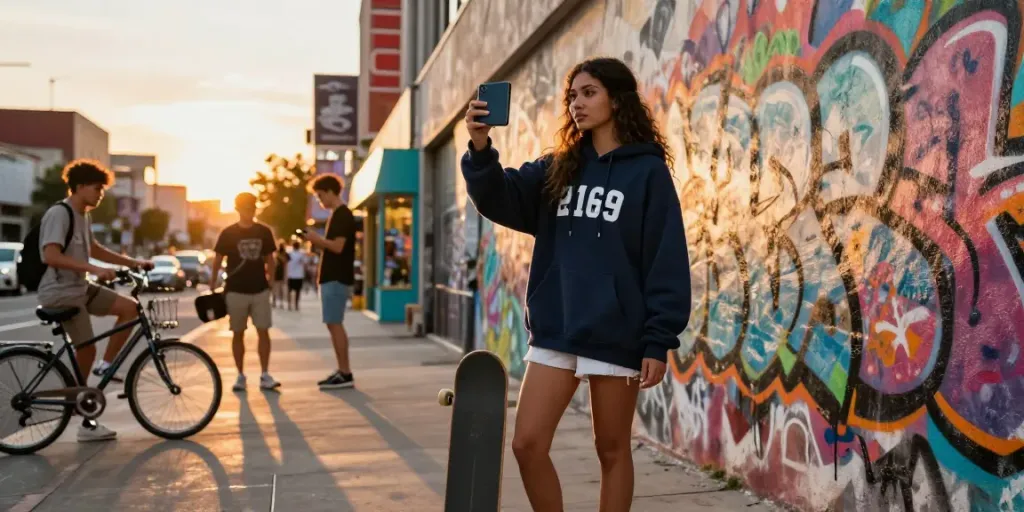
Understanding the bro169 Trend in Fashion
The bro169 trend has emerged as a notable influence in the fashion landscape, particularly within the streetwear segment. It encapsulates a unique blend of urban art, cultural narratives, and consumer behavior that resonates deeply with modern audiences. With its roots in expressive fashion, bro169 not only highlights innovative designs but also reflects a lifestyle that embraces creativity and individuality. As brands navigate the complexities of this trend, understanding its dynamics becomes crucial for anyone involved in the fashion industry. When exploring options, bro169 provides comprehensive insights into the latest advancements and market adaptations.
What is bro169?
At its core, bro169 represents a distinct category within the broader spectrum of streetwear, marked by its utilization of intricate fabrics, bold colors, and culturally significant designs. This trend often leverages elements from various artistic disciplines, particularly urban art and graffiti, making it a canvas for self-expression. The appeal of bro169 lies in its ability to resonate with consumers who value uniqueness and seek to differentiate themselves through fashion choices.
The Evolution of Streetwear Culture
Streetwear culture, which originated in the 1980s, has evolved significantly over the decades. Initially rooted in skateboarding and hip-hop communities, it has expanded to include various influences, including high fashion, art, and technology. The rise of social media platforms has accelerated this evolution, allowing brands to engage with their audiences more directly. Streetwear is no longer merely about clothing; it encapsulates a lifestyle that blends art, music, and community.
Key Players and Influencers in the Market
The bro169 trend has been propelled by numerous key players in the fashion world, including established brands and emerging designers alike. Influencers on social media play a vital role as well, showcasing bro169 styles and helping them reach broader audiences. Notable collaborations between traditional fashion houses and streetwear brands have also contributed to the trend's popularity, marking a significant shift in how fashion is perceived and consumed.
The Impact of Urban Art on Fashion Design
The relationship between urban art and fashion design is one that continues to grow stronger, with graffiti and street art serving as vital sources of inspiration for many designers. This synergy not only enriches the aesthetic appeal of fashion but also embeds deeper narratives within clothing lines, allowing wearers to showcase their values and perspectives.
Graffiti as Inspiration for Fashion
Graffiti has long been recognized as a powerful form of self-expression, and its vibrant colors and bold designs resonate within the fashion industry. Designers utilize graffiti motifs to create pieces that embody rebellion and individuality, making a statement on the streets. This intersection of art and fashion not only enhances the visual appeal of clothing but also challenges traditional notions of design.
Collaboration Between Artists and Brands
Many fashion brands are increasingly seeking collaborations with urban artists to diversify their product offerings. These partnerships result in limited-edition collections that often sell out quickly, as they tap into the unique narratives that street artists bring to the table. Such collaborations not only elevate brand visibility but also create a sense of authenticity and community among consumers.
Case Studies of Successful Integrations
Several brands have successfully integrated urban art into their fashion lines, creating iconic pieces that resonate with their audiences. For example, brands like Supreme and Off-White have leveraged street art aesthetics in their collections, garnering immense popularity. Their success illustrates how merging art and fashion can lead to compelling narratives that appeal to today's consumers.
Consumer Behavior Around Streetwear
Understanding consumer behavior is crucial for brands operating within the bro169 trend and broader streetwear market. The motivations and preferences of consumers can significantly influence product development and marketing strategies. As the market continues to evolve, so too does the profile of the typical streetwear consumer.
Demographics of Streetwear Consumers
Streetwear appeals predominantly to younger demographics, including Gen Z and Millennials, who value authenticity and self-expression. This consumer base is often influenced by social media trends, with platforms like Instagram and TikTok serving as primary sources of inspiration for fashion choices. Brands must understand the demographic shifts and preferences to engage effectively with their target audiences.
Trends in Purchase Motivations
Today's consumers are driven by various purchase motivations, including brand loyalty, sustainability, and the desire for unique fashion statements. The desire to own limited-edition items fuels demand, with many consumers willing to pay a premium for exclusive designs. Additionally, the growing emphasis on sustainability prompts brands to adopt eco-friendly practices, aligning with the values of their consumers.
Online Vs. In-Store Shopping Preferences
The rise of e-commerce has transformed shopping habits for streetwear consumers. While online shopping offers convenience and a wider selection, many consumers still value the in-store experience. This hybrid shopping behavior presents opportunities for brands to create engaging omnichannel experiences that cater to the diverse preferences of their audience.
Marketing Strategies for bro169 Brands
Effective marketing strategies are essential for brands looking to capitalize on the bro169 trend. A multifaceted approach that leverages digital platforms and community-building efforts can significantly enhance brand reach and consumer engagement.
Effective Digital Marketing Techniques
Digital marketing plays a pivotal role in reaching today's consumers. Brands should utilize data-driven strategies to understand their audience and tailor their campaigns accordingly. This includes SEO optimization, targeted social media ads, and influencer collaborations that amplify brand messages to wider audiences.
Utilizing Social Media for Engagement
Social media is instrumental in fostering engagement with current and potential customers. Platforms like Instagram and TikTok allow brands to showcase their latest collections, share behind-the-scenes content, and interact with followers. By creating shareable content that resonates with their audience, brands can build a loyal community around their products.
Building Community Around the Brand
Establishing a strong community can enhance brand loyalty and drive repeat purchases. Brands can foster a sense of belonging by hosting events, collaborating with local artists, and creating platforms for customer feedback. This community-centric approach not only increases consumer trust but also encourages organic word-of-mouth promotion.
The Future of Streetwear: Predictions for 2026
As we look towards 2026, the streetwear landscape is poised for further evolution. Emerging styles and technological influences are expected to shape the industry, alongside growing sustainability trends that will become increasingly important to consumers.
Emerging Styles and Designs
Fashion trends are constantly shifting, and by 2026, we can expect new styles to emerge from the streetwear scene. Innovations in fabric technology and design techniques will likely pave the way for multifunctional clothing that merges comfort with high style. The integration of smart textiles will also become more prominent, appealing to tech-savvy consumers.
Technological Influences on Fashion
Technology will continue to influence fashion in various ways, from design processes to retail experiences. Augmented reality (AR) and virtual reality (VR) technologies could revolutionize how consumers shop, offering immersive experiences that allow them to visualize products in real-time. Brands that adopt these technologies early will likely gain a competitive edge in the marketplace.
Sustainability Trends Shaping the Industry
As awareness around environmental issues grows, sustainability will be a critical component of future fashion strategies. Brands must commit to ethical practices, including sustainable sourcing and manufacturing processes, to meet consumer expectations. The focus on sustainability will not only attract conscientious consumers but also drive innovation in the industry.
What is bro169 and its significance?
The significance of bro169 lies in its representation of contemporary cultural values and consumer behaviors within fashion. It encapsulates the intertwining of art and style, making it a vital trend for brands aiming to remain relevant in an ever-changing market.
How does urban art influence fashion?
Urban art influences fashion by providing a rich source of inspiration that shapes design aesthetics and narratives. Designers draw from the bold expressions found in street art, which translate into vibrant patterns and culturally resonant themes within their collections.
What are the key marketing strategies for streetwear?
Key marketing strategies for streetwear brands include leveraging digital platforms for targeted outreach, engaging with consumers on social media, and building community through interactive experiences and collaborations.
How is consumer behavior changing in the fashion industry?
Consumer behavior in the fashion industry is evolving towards a preference for authenticity, sustainability, and unique experiences. Younger consumers prioritize brands that align with their values and offer transparent practices.
What are the trends to watch for in 2026?
In 2026, trends to watch will include the integration of technology in fashion, emerging styles that prioritize functionality, and a heightened focus on sustainability as consumers demand more ethical practices from brands.