The Significance of Delta Wine Grapes California
The cultivation of delta wine grapes california is crucial not only for the local economy but also for the overall landscape of California wine production. The Delta region offers unique environmental attributes that contribute to the richness and diversity of its wines, placing it among the most significant wine-producing areas in the state.
History of Wine Production in the Delta
The Delta's foray into winemaking began in the 19th century when European settlers recognized the potential of the fertile land for grape cultivation. Initially, the region produced bulk wine primarily for local consumption. Over the years, significant advancements in viticulture practices have led to improved grape quality. By the late 20th century, the Delta began to emerge as a destination for premium wines, producing a wide range of varietals that would eventually receive recognition on both national and international levels.
Geographical Impact on Grape Quality
The geographical uniqueness of the Delta region is one of the key factors impacting grape quality. The area's distinct climate, characterized by hot summers and cool evenings, allows grapes to ripen thoroughly while retaining their acidity. Additionally, the soil composition— a mix of alluvial and clay soils—enriches the vines, producing grapes with complex flavors. The region's proximity to the San Francisco Bay also means that maritime influences moderate temperatures, benefiting grape development.
Current Trends in Delta Wine Grapes California
As the wine industry evolves, so too does the approach to winemaking in the Delta. Recent trends show a growing emphasis on sustainability and organic practices, with many vineyards adopting eco-friendly farming methods. Moreover, new varietals are being introduced as winemakers experiment with blends that reflect the terroir of the region. The increasing interest in small-batch and artisan wines has further contributed to a renaissance in Delta winemaking.
Varieties of Delta Wine Grapes California
The Delta region is celebrated for its diverse selection of grape varietals, catering to both traditional and modern wine tastes. The following sections delve into the most popular and distinctive types of grapes cultivated in this area.
Popular White Grape Varieties
In the realm of white wines, the Delta is renowned for its exceptional Chardonnay, a variety that thrives in the local climate. What makes Delta Chardonnay distinctive is its fruit-forward flavor profile, often featuring notes of apple and pear intermingled with subtler hints of oak. Alongside Chardonnay, Chenin Blanc and Sauvignon Blanc have gained popularity; both varietals express crisp acidity and are particularly well-suited for pairing with seafood and light dishes.
Prominent Red Grape Varieties
Red wine lovers will find a plethora of choices within the Delta's vineyards. Zinfandel is the star of the region, often touted as California's heritage grape, which thrives in the Delta's varied microclimates. Cabernet Sauvignon, with its robust character and velvety tannins, is another staple, followed by Merlot and Petite Sirah, which offer bold and expressive flavor profiles. These red varietals are frequently highlighted in tastings and contribute significantly to the region's reputation for quality wine.
Unique Grape Hybrids in the Delta
The Delta’s experimental spirit shines through its unique grape hybrids. Winemakers are increasingly blending traditional varietals with lesser-known grapes to create captivating new flavors. These hybrids often marry the resilience of one grape with the flavor profile of another, leading to exciting new wine experiences. This creativity not only reflects the region's innovation but also its dedication to quality and distinctiveness in the wine market.
Wine-Making Process for Delta Wine Grapes California
The journey from vineyard to bottle is a meticulous process that involves several crucial steps, each contributing to the final product's quality. Understanding these stages illuminates the craftsmanship behind Delta wines.
From Vineyard to Bottle: The Journey
The winemaking process begins in the vineyard, where careful attention is paid to vineyard management, including canopy management and pest control. Grapes are hand-harvested at optimal ripeness to ensure the best quality. Once in the winery, grapes are sorted, de-stemmed, and crushed—the first steps towards creating the must. Monitoring the fermentation process is essential, allowing winemakers to enhance flavors and aromas.
Fermentation Techniques Used
Fermentation is where the magic occurs; during this phase, yeast converts sugars in the grape juice into alcohol. Delta winemakers often employ both traditional and innovative fermentation techniques. For white wines, temperature-controlled fermentation in stainless steel tanks preserves the fresh fruit character. In contrast, red wines may undergo fermentation in open-top tanks, allowing for more extraction of color and tannins.
Aging Practices for Flavor Development
Aging plays a pivotal role in shaping wine's final character. Delta winemakers typically use a combination of oak barrels and stainless-steel tanks to age their wines. Oak aging imparts additional flavors, such as vanilla or spice, while stainless steel maintains a wine’s vibrant freshness. The duration of aging can vary significantly depending on the varietal and desired outcome, with some wines being aged for several months and others for years.
Pairing Delta Wine Grapes California with Food
Finding the perfect food pairings for Delta wines enhances the tasting experience and brings out the best in both the wine and the meal. The following sections outline how to successfully pair Delta wines with various culinary delights.
Best Food Pairings for White Wines
When it comes to white wines from the Delta, lighter dishes often take center stage. Chardonnay pairs beautifully with creamy pastas, roasted chicken, and seafood, while Sauvignon Blanc complements salads, grilled vegetables, and citrus-based dressings. The crisp acidity of these white wines cuts through rich flavors, providing a refreshing balance to the meal.
Ideal Pairings for Red Wines
Delta's red wines shine alongside hearty dishes. Zinfandel, with its bold fruit flavors, is the perfect matchmaking partner for barbecue ribs, grilled burgers, or spicy dishes. Cabernet Sauvignon, being fuller-bodied, pairs excellently with red meats, rich pasta sauces, and aged cheeses. Each red varietal offers something unique and stands up well to a robust meal.
Creating Memorable Tasting Experiences
Culinary creativity can elevate wine tasting to a whole new level. Consider organizing a themed tasting event where guests sample assorted Delta wines alongside an array of food pairings. This interactive experience not only enhances appreciation for the wines but also fosters lively conversation and discussion about the variety of flavors involved.
Visiting and Experiencing Delta Wine Grapes California
For wine enthusiasts, exploring the Delta region offers an opportunity to engage with its vibrant culture, taste exquisite wines, and learn about the viticulture process firsthand. Here are some valuable insights on making the most of your visit.
Top Wineries to Explore
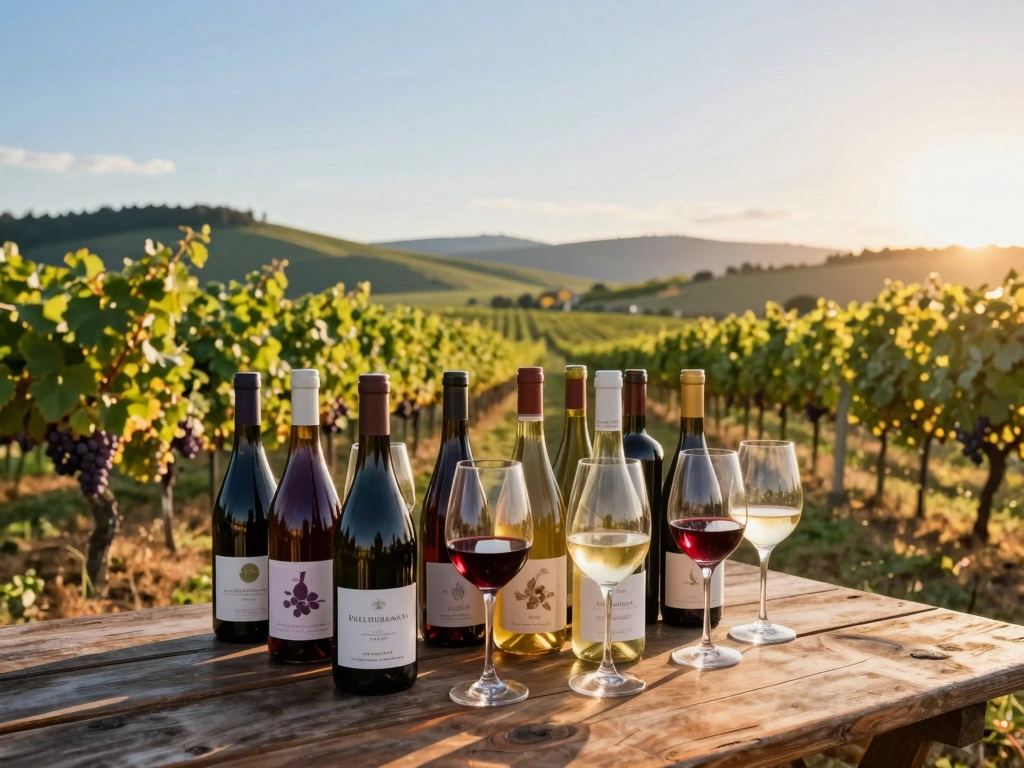
The Delta is home to numerous wineries, each offering its unique vibe and selection of wines. Popular spots include family-owned wineries that focus on handcrafted wines and larger operations that produce well-known varietals. Visiting these establishments often includes guided tours where you can learn about vineyard management and the winemaking process while sampling their best offerings.
Wine Tasting Events and Festivals
Throughout the year, the Delta hosts a variety of wine-tasting events and festivals. These events provide an excellent opportunity to sample a range of wines, meet winemakers, and enjoy good food. Participating in festivals not only enriches the experience but also allows visitors to engage with other wine lovers, fostering a sense of community.
Travel Tips for Wine Lovers
When planning a trip to experience Delta wine grapes, consider visiting during the off-peak seasons for a more relaxed atmosphere. Make reservations at local wineries to ensure you receive personalized attention. Additionally, plan a driving route that includes several wineries to maximize your tasting experience while enjoying the picturesque views of the Delta region.
FAQs
What types of wine grapes are primarily grown in the Delta?
The Delta region is known for Chardonnay, Zinfandel, Cabernet Sauvignon, and Petite Sirah, among other varietals.
Are there any sustainable wineries in the Delta?
Yes, many wineries in the Delta are adopting sustainable and organic farming practices to enhance environmental stewardship.
How can I participate in wine tasting events?
Check local winery schedules and websites for upcoming events. Many require pre-registration for tastings and festivals.
What foods pair best with Delta wines?
Whites are great with seafood and salads, while reds work well with grilled meats and rich pasta dishes.
Is the Delta region suitable for new wine enthusiasts?
Absolutely! The Delta welcomes wine lovers of all experience levels, and many wineries offer educational tours and tastings.