Understanding Pet Product Contract Packaging
What is Pet Product Contract Packaging?
Pet product contract packaging is a comprehensive service that helps companies outsource their packaging needs for pet-related products, such as food and supplies. This service encompasses various activities, including sourcing materials, manufacturing, and final packaging. Hence, it allows businesses to focus on their core competencies, such as product development and marketing, while ensuring high-quality packaging solutions for their pet products. Partnering with experts in pet product contract packaging helps manufacturers streamline their processes, achieve cost efficiencies, and enhance product appeal on the shelves.
Benefits of Pet Product Contract Packaging
Engaging in pet product contract packaging offers numerous advantages to manufacturers and brands. Some key benefits include:
- Cost Efficiency: By outsourcing packaging processes, companies can save on labor and overhead costs associated with in-house production.
- Enhanced Quality: Specialized contract packagers often have access to state-of-the-art technology and materials, allowing for higher quality packaging solutions.
- Focus on Core Competencies: Businesses can concentrate on marketing and product innovation rather than getting tied down in the packaging process.
- Speed to Market: Working with efficient contract packagers can reduce time frames from production to market, enabling brands to respond swiftly to market demands.
- Expert Consultation: Contract packaging companies often provide insights and recommendations based on market trends, helping brands to successfully position their products.
Key Trends in Pet Product Contract Packaging
In the ever-evolving pet product market, several trends are shaping the future of contract packaging. These trends include:
- Sustainability: There is a growing demand for eco-friendly packaging solutions that reduce environmental impact, such as biodegradable and recyclable materials.
- Customization: Brands are increasingly seeking unique and tailored packaging solutions to stand out, fostering brand loyalty and recognition.
- Smart Packaging: Technology integration in packaging, like QR codes and NFC tags, enhances customer engagement by providing product information and interaction opportunities.
- Safety and Compliance: Regulatory compliance will continue to be a priority, ensuring that packaging meets safety standards for consumer goods.
Choosing the Right Materials for Packaging
Common Materials Used in Pet Product Contract Packaging
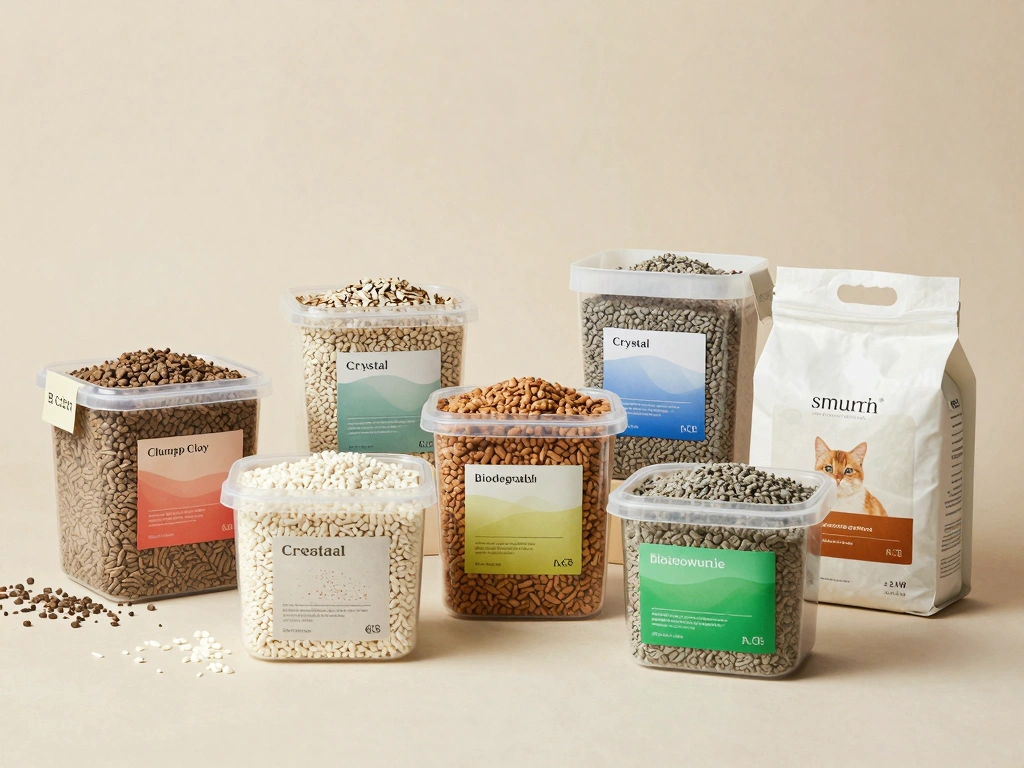
The selection of appropriate materials is crucial in ensuring the durability and appeal of pet product packaging. Common materials used include:
- Plastics: Versatile and lightweight, plastics are popular for various applications due to their protective qualities.
- Pouches: Stand-up pouches are favored for their ability to preserve freshness and convenience for consumers.
- Cardboard: Ideal for secondary packaging, cardboard provides an eco-friendly option that can also be designed attractively to catch consumer attention.
- Composite materials: These combine different substances to achieve desired qualities, such as moisture resistance or durability.
Ensuring Sustainability in Pet Product Contract Packaging
Sustainability has become a core focus in packaging design. Businesses can adopt several strategies, including:
- Utilizing recycled materials to minimize waste.
- Implementing lighter packaging designs to reduce the carbon footprint associated with transportation.
- Developing packaging that is fully recyclable or biodegradable to align with consumer demands for sustainable products.
Catering to Different Pet Products with Packaging
Different pet products often require different packaging approaches. For instance:
- Pet Food: Requires robust packaging to ensure freshness and prevent spoilage.
- Pet Treats: Often come in resealable packages to enhance usability.
- Pet Supplies: May need protective packaging for compounding and sensitive items.
Designing Effective Packaging Solutions
Creative Design Ideas for Pet Product Contract Packaging
Effective packaging design can significantly influence consumer purchasing decisions. Some creative ideas include:
- Vivid Prints: Bright colors and engaging graphics can attract attention on the shelves.
- Clear Windows: Allowing consumers to see the product can build trust and interest.
- Functional Design: Features like easy-open seals or stackable designs improve user experience.
Regulatory Considerations for Pet Product Packaging
Adhering to regulations is essential for any product, especially food-related items. Guiding principles include:
- Ensuring proper labeling, displaying ingredients, nutritional information, and expiry dates accurately.
- Meeting safety standards that protect pets from contaminants and harmful materials.
- Keeping informed about changes in regulations to maintain compliance.
Incorporating Branding into Pet Product Contract Packaging
Branding elements play a vital role in distinguishing products. Strategies to incorporate branding effectively include:
- Consistent color schemes and graphics that reflect brand identity.
- Using logos prominently to enhance recognition.
- Creating stories or unique packaging experiences that resonate with the target audience.
The Role of Technology in Pet Product Contract Packaging
Innovations Impacting Pet Product Contract Packaging
Technological advancements are continually shaping the landscape of packaging. Innovations include:
- Advanced printing techniques: Enable customized designs and high-quality graphics.
- Smart technology: Incorporates features like RFID tracking, enhancing logistics and inventory management.
- Augmented reality experiences: Allow consumers to interact with packaging through their smartphones to provide additional information and engagement.
Automation in Pet Product Contract Packaging
Automation in packaging processes introduces efficiency and accuracy. Advantages include:
- Reducing labor costs and minimizing human error.
- Speeding up production lines to meet increasing demand.
- Enhancing consistency in packaging quality and design.
Keeping Up with Consumer Preferences through Technology
Understanding and adapting to consumer preferences using technology helps brands stay competitive. Strategies include:
- Utilizing data analytics to interpret consumer behavior and tailor packaging accordingly.
- Gathering customer feedback through social media and online platforms to refine packaging strategies.
- Implementing quick prototyping technologies, enabling faster iterations based on consumer input.
Measuring the Success of Your Packaging
Performance Metrics for Pet Product Contract Packaging
To evaluate packaging success, companies should measure various performance metrics, including:
- Sales Data: Tracking changes in sales before and after packaging redesigns.
- Customer Satisfaction: Gauging feedback through surveys and interviews on packaging appeal and functionality.
- Return Rates: Monitoring product returns attributed to packaging issues.
Analyzing Customer Feedback on Pet Product Packaging
Gathering and analyzing customer feedback is crucial for continuous improvement. Best practices involve:
- Conducting surveys targeting specific user experiences regarding packaging.
- Utilizing social media to engage customers and gather real-time feedback.
- Incorporating customer feedback into future packaging strategies to ensure alignment with preferences.
Adjusting Packaging Strategies Based on Market Trends
Staying ahead of market trends is essential for lasting success. Strategies for adjustment include:
- Regularly reviewing competitor packaging to identify innovations and gaps.
- Participating in industry conferences and events to absorb new insights and technology.
- Testing packaging concepts in smaller market segments before a full rollout.
Frequently Asked Questions
What is the role of contract packaging in the pet product industry?
Contract packaging plays a significant role by allowing manufacturers to outsource their packaging processes, ensuring high-quality packaging while focusing resources on product development and marketing.
What materials are commonly used in pet product packaging?
Common materials include plastics for protective qualities, pouches for freshness, cardboard for secondary packaging, and composite materials for enhanced durability.
How can sustainability be incorporated into pet product packaging?
Sustainability can be achieved by using recycled materials, developing lighter packaging to reduce transport emissions, and focusing on fully recyclable or biodegradable solutions.
Why is design important in pet product packaging?
Effective design influences consumers' purchasing decisions, improves product visibility, enhances user experience, and conveys brand identity clearly and attractively.
How can technology improve pet product packaging strategies?
Technology improves strategies through innovations in printing, smart features like RFID, automating processes for efficiency, and utilizing data analytics to understand consumer preferences better.