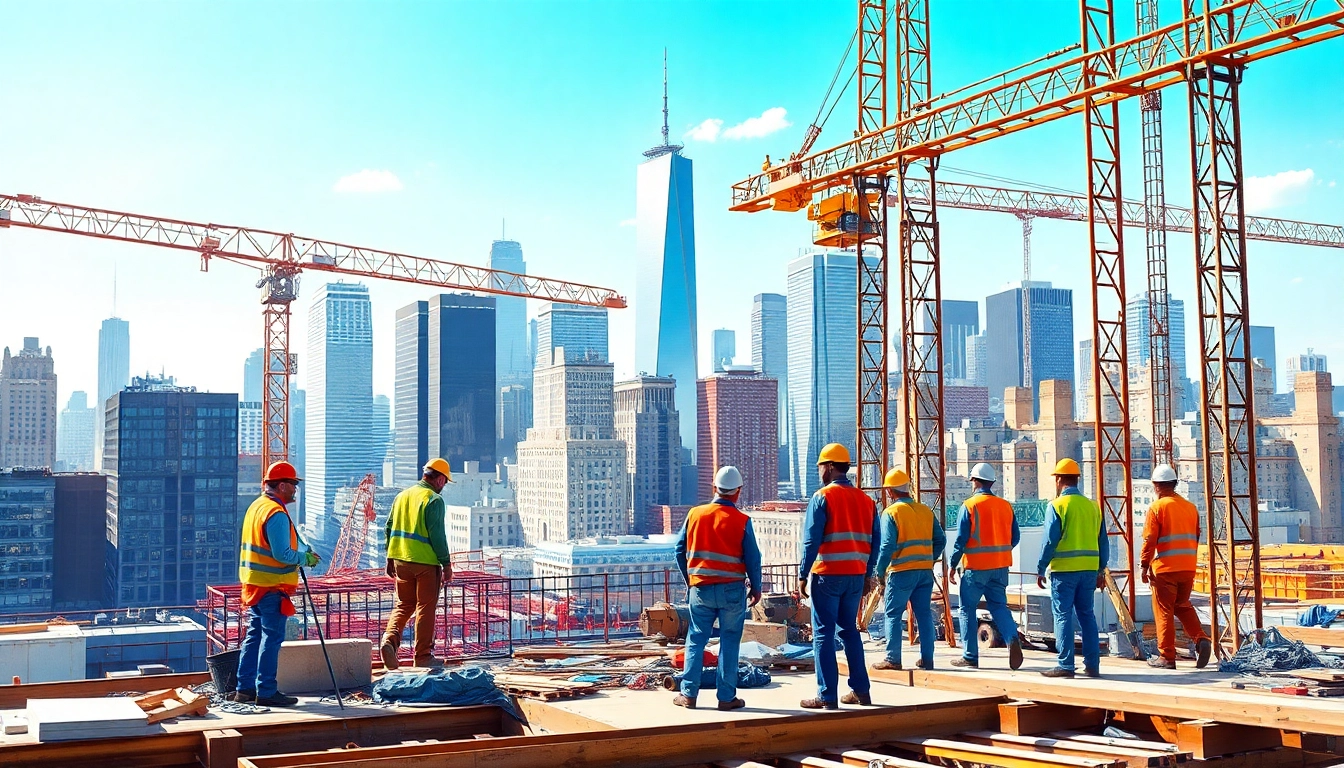
Understanding Manhattan Commercial General Contractor Services
Commercial construction projects in Manhattan demand specialized knowledge and a profound understanding of the locales' unique building codes, zoning laws, and complexities. Partnering with a Manhattan Commercial General Contractor means engaging experts adept at maneuvering through these local intricacies while delivering high-quality results that meet stringent deadlines and exceed client expectations.
Definition and Role of Contractors
A general contractor is essentially the point of contact for the client throughout a construction project. They manage the day-to-day operations, including hiring subcontractors, obtaining permits, and overseeing quality control. The role of a contractor encompasses coordinating all phases of construction, ensuring that the project aligns with the predetermined budget, schedule, and specifications. In commercial projects, this role expands to include liaising with various stakeholders such as architects, engineers, and regulatory authorities to ensure that all aspects of the build meet industry standards and regulations.
Types of Projects Handled
Manhattan commercial general contractors often spearhead a diverse range of projects. These can include:
- Office buildings: Comprehensive renovations or new constructions tailored for business needs.
- Retail spaces: Development of storefronts that attract customers while maintaining functionality.
- Hospitality: Construction of hotels and restaurants, integrating aesthetics with functionality.
- Mixed-use developments: Projects that combine residential, retail, and office spaces to foster community.
- Industrial sites: Specialized constructions for factories, warehouses, and production facilities.
Benefits of Hiring a Local Contractor
Using a local contractor provides significant advantages, such as:
- Local knowledge: Familiarity with Manhattan's specific regulations, permitting processes, and zoning laws helms efficient project execution.
- Established networks: Connections to local suppliers and subcontractors can lead to better pricing and reliability in sourcing materials and labor.
- Quick response times: Proximity tends to foster quicker responses to project needs, whether for adjustments or urgent issues.
Key Qualities of an Effective Manhattan Commercial General Contractor
Not all contractors are created equal. Selecting an effective Manhattan commercial general contractor is vital for ensuring project success. Here are some qualities to look for:
Experience and Expertise
Experience stands as one of the most critical factors when evaluating a contractor. An experienced contractor is typically better equipped to foresee potential challenges and mitigate risks proactively. Look for a portfolio that showcases past commercial projects similar to yours to gauge expertise. Further understanding their approach to project management, adherence to timelines, and ability to stay within budget can provide insight into their experience level.
Licenses and Insurance
Working with a licensed contractor ensures compliance with local regulations and building codes. In addition, a reputable contractor carries insurance, which safeguards against liability during construction. Confirming these documents is essential for protecting your investment and ensuring any accidents or damages that occur on-site are covered.
Client Testimonials and Reviews
Feedback from past clients can offer invaluable insight into a contractor's work ethic and quality. Seek out reviews on trusted platforms and ask for references to speak directly with previous clients. Not only does this reveal a contractor’s strengths and weaknesses, but it also allows potential clients to gauge their satisfaction levels and overall project experiences.
Steps to Choose the Right Manhattan Commercial General Contractor
Selecting the right contractor can significantly impact the success of your project. Here’s a step-by-step guide to streamline the selection process:
Research and Shortlist
Start with thorough research to identify potential contractors. Explore local directories, industry recommendations, and online platforms through which contractors list their services. Create a shortlist of candidates who align with your requirements, and ensure they specialize in the type of work you need.
Interviewing Potential Contractors
Once you have shortlisted potential candidates, schedule interviews wherein you can gauge their professionalism, communication skills, and enthusiasm for your project. Discuss their past projects and ask specific questions regarding their approach to challenges and problem-solving during construction.
Getting Quotes and Estimates
Asking for detailed quotes from your shortlisted contractors is a crucial step. These quotes should provide an in-depth breakdown of expected costs, timelines, and payment schedules. However, it’s essential to remember that the cheapest quote isn’t always the best; evaluate the overall value provided, including quality and reliability.
Common Challenges When Working with Contractors
Budget Overruns
Budget overruns often emerge from unforeseen issues, changes in project scope, or miscalculations during initial estimates. To mitigate this risk, it’s crucial to maintain ongoing communication with your contractor, establish contingency funds, and ensure robust project management practices are in place for tracking expenses and progress.
Project Delays
Delays can stem from a multitude of factors like bad weather, labor shortages, or delays in obtaining necessary permits. To combat potential delays, always have a well-defined timeline with built-in cushions for unforeseen circumstances. Regular check-ins with your contractor can also pinpoint any potential delay indicators early on.
Communication Gaps
Effective communication is vital throughout a construction project. Misunderstandings can lead to mistakes, delays, and increased costs. Establish a clear communication plan at the project’s outset, including regular updates and designated points of contact. Furthermore, consider using communication tools designed for project management to keep everyone aligned.
Frequently Asked Questions About Manhattan Commercial General Contractor
What defines a commercial general contractor?
A commercial general contractor is a professional who manages commercial construction projects, overseeing all aspects from planning and permitting to execution and quality control.
How do I verify a contractor’s credentials?
To verify a contractor's credentials, check their licensing and insurance status, and read reviews online. Asking for references from past clients can also provide valuable insights.
What is the typical timeline for commercial projects?
The timeline for commercial projects can vary widely based on scope and complexity. However, many commercial builds range from a few months to over a year for large-scale developments.
Are all contractors the same in terms of pricing?
No, contractor pricing can vary significantly based on experience, project scope, local market rates, and the quality of materials used. Always compare multiple quotes before deciding.
Can a contractor handle multiple projects at once?
Yes, many contractors manage multiple projects simultaneously; however, it's crucial to ensure they have enough resources to maintain quality and timelines for each project.