Understanding Gold Prices in Bahrain
Gold has always held a significant place in Bahrain's economy, symbolizing wealth, investment, and cultural heritage. The intricate patterns of its pricing can be complex, influenced by a myriad of factors ranging from international market dynamics to local demand. Understanding these prices not only benefits investors but also helps buyers make informed decisions regarding their purchases. When exploring options, mantra88 provides comprehensive insights that can guide you through the nuances of gold trading.
What Determines Gold Prices?
Gold prices are influenced by several key factors that intertwine to dictate market behavior. The spot price of gold, which reflects the current market value per ounce, is primarily governed by global demand and supply conditions. Additionally, economic indicators such as inflation rates, currency strength (especially the USD), and geopolitical stability can cause fluctuations in gold prices.
In Bahrain, local economic conditions also play a critical role. Factors such as consumer spending trends, the popularity of gold as a gift for cultural celebrations, and investment trends among the Bahraini populace contribute significantly to gold pricing. Furthermore, the fees charged by local jewelers and retailers add an additional layer to the final cost of gold purchases.
The Role of Market Trends
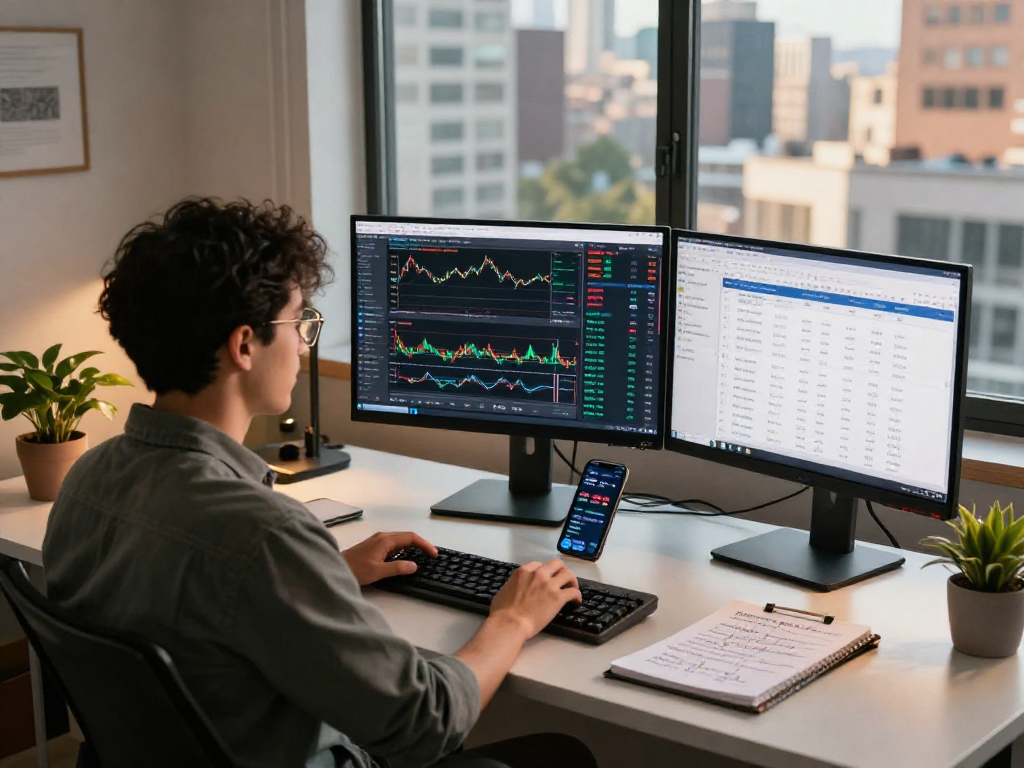
Market trends not only dictate the immediate prices but also influence long-term value perception among investors and consumers. Tracking historical price movements can provide invaluable insight into potential future price variations. Investors should remain aware of economic indicators that can predict shifts in gold pricing, such as adverse economic events or increased geopolitical tensions.
Moreover, central banks' policies on gold reserves can also sway market trends. When central banks increase their gold reserves, it often leads to a surge in gold prices, as it indicates a stronger demand for the precious metal in the global market.
Spot Prices vs. Local Rates
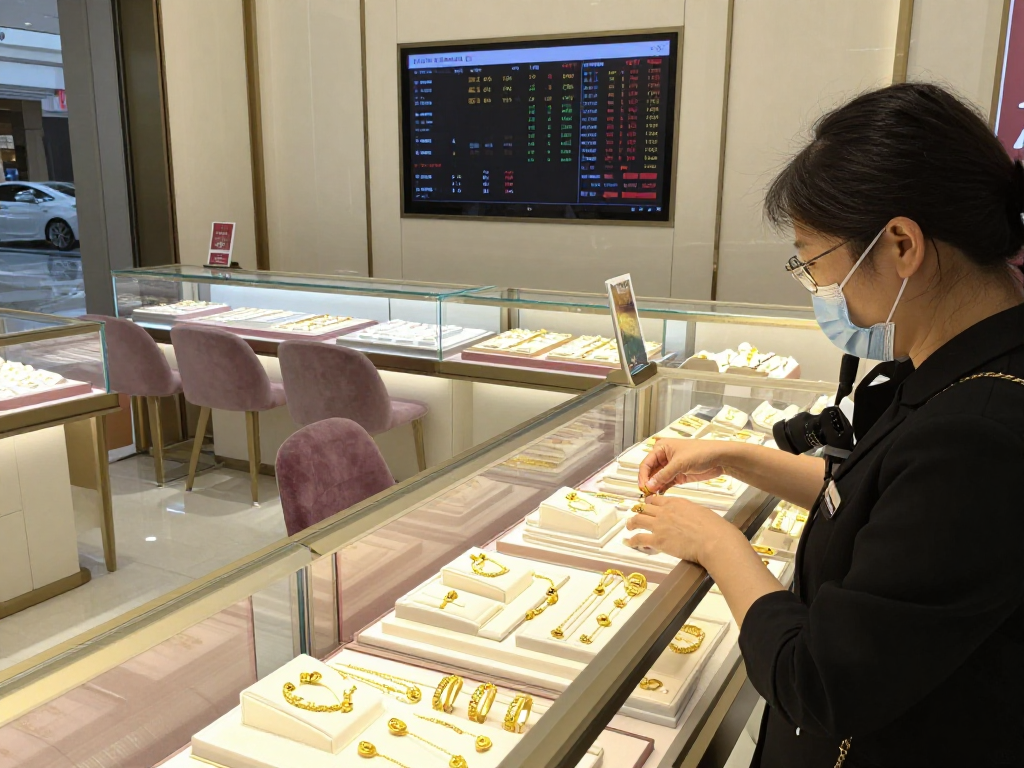
While spot prices provide a baseline for gold valuation, local rates can significantly vary depending on various factors including import duties, local demand, and trader markups. For instance, in Bahrain, local jewelers may set their prices higher than the global spot due to added costs associated with retail operations.
It's vital for consumers to understand that when purchasing gold jewelry, they are not just paying for the metal itself but also for craftsmanship, design, and branding. Therefore, while the spot price can serve as a reference, actual market transactions will likely reflect additional costs.
Buying and Selling Gold: A Comprehensive Guide
Navigating the gold buying and selling process can be daunting for both new and inexperienced investors. This guide aims to simplify the complexities involved, empowering you to make informed choices while engaging in gold transactions.
How to Evaluate Gold Jewelry?
When purchasing gold jewelry, evaluating quality is paramount. The purity of gold is typically measured in karats (K), with 24K signifying pure gold. Jewelry commonly comes in lower karats like 22K or 18K, which means it is alloyed with other metals for durability. Always check for hallmark stamps, which indicate the jewelry's karat and authenticity.
Additionally, consider the design and craftsmanship. Beautifully made pieces with intricate designs often hold more value than plain gold, even if the weight is the same. A thorough inspection of the overall condition of the item is also essential, as scratches and dents can affect its resale value.
Understanding the Buyback Process
The buyback process allows you to sell your gold items back to retailers or jewelers, typically at a price that reflects the current market value. This process can vary by seller, so it's crucial to understand the terms before entering into a transaction.
Ensure that the jeweler conducts proper assessments of your gold for its weight and purity. Many reputable buyers will provide transparent pricing based on the daily gold rate. This transparency helps build trust between buyers and sellers, further encouraging investment in gold.
Common Mistakes to Avoid
When entering the world of gold investments, several common pitfalls can lead to financial loss or dissatisfaction. A prevalent mistake is failing to research current market prices before making purchases. Always be informed about the daily gold rates and compare them across different retailers.
Another mistake is neglecting to verify the authenticity of gold items, particularly when purchasing second-hand jewelry. Always ask for certificates of authenticity where applicable, and familiarize yourself with hallmarking.
Gold Investment Strategies for 2026
As you plan your gold investment strategy, understanding the market landscape for 2026 is crucial. Here are some strategies that can help you optimize your investments in gold.
Why Invest in Gold?
Gold has historically served as a hedge against inflation and economic uncertainty. Its intrinsic value makes it a reliable asset during market volatility. By investing in gold, you can diversify your portfolio and potentially safeguard your wealth against currency depreciation.
Comparing Gold with Other Investments
While gold is a powerful asset, it’s essential to compare it with other investment vehicles, such as stocks, bonds, or real estate. Each option carries different risk-reward profiles, and gold often acts as a stabilizing element within a diversified investment portfolio.
Before investing in gold, consider how it fits with your overall financial goals and risk tolerance. Engaging in a mix of investment types can yield better returns while minimizing risk exposure.
Long-term vs. Short-term Strategies
Your investment horizon will significantly impact your gold investment strategy. Long-term investors might focus on physical gold such as bullion or coins, while short-term investors may prefer trading gold ETFs or futures contracts. Both strategies have their risks and rewards, depending on market conditions.
It's crucial to analyze your investment goals and market conditions carefully to determine the best strategy for you.
Calculating the Value of Gold
Understanding how to accurately calculate the value of your gold investments is key to making informed decisions. This section will guide you through the various factors that can impact the value of your gold items.
Using a Gold Calculator Effectively
A gold calculator can be an invaluable tool for both buyers and sellers. By inputting the weight and karat of your gold, you can quickly obtain an approximate value based on current market prices. This instant access to information allows for better negotiation and decision-making during transactions.
Factors Influencing Value Calculations
Several factors come into play when calculating the value of gold. These include market conditions, purity (measured in karats), and local demand. Understanding these factors can help you gauge whether you are getting a fair deal when buying or selling gold.
Weight, Purity, and Market Conditions
When assessing gold value, always ensure that you are aware of your item's weight and purity. Gold is weighed in grams or ounces, and the purity indicates how much gold is contained in the piece. Market conditions fluctuate and directly influence pricing, making it vital to stay informed of current prices.
Future Trends in Gold Investments
Keeping an eye on future trends in gold investments can help you strategize where to focus your efforts in the coming years. Understanding these trends can facilitate smarter investment decisions.
Impact of Global Economic Changes
Global economic changes significantly affect gold prices. Factors such as inflation rates, changes in interest rates, and instability in currency markets can lead to increased demand for gold as a safe haven asset. Investing in gold during uncertain times often results in a favorable return as investors flock to its perceived safety.
Technological Innovations in Gold Trading
Technology plays a critical role in modern gold trading, facilitating easier access to markets and information. Innovations such as blockchain technology have increased transparency in gold trading, making it easier to verify authenticity and ownership. Keeping abreast of these advancements can offer new investment opportunities.
Predictions for Gold Prices Post-2026
Market analysts predict that the demand for gold will continue to grow due to geopolitical tensions and ongoing economic uncertainty. It is likely that gold will remain a staple in many investment portfolios due to its intrinsic value and status as a safe haven asset.
What are the Best Practices for Gold Investment?
To maximize the potential of your gold investments, consider adopting best practices such as regular market monitoring, diversifying your portfolio with various gold types, and staying informed about economic indicators that can impact gold prices. Engage in thorough research and make sure to consult experts when making significant investment decisions.
How to Secure Your Gold Investments?
Securing your gold investments is essential for ensuring their long-term value. This includes proper storage in a safe or bank vault, maintaining documentation of ownership, and insuring high-value items to protect against loss or theft. Additionally, regular assessments of your gold’s value will ensure that you are aware of your asset's current worth.
What Should First-time Buyers Consider?
First-time buyers should take the time to educate themselves on karats and different types of gold, as well as the best practices for purchasing gold jewelry or investment-grade gold. Understanding the market and how to evaluate sellers can help prevent common mistakes and ensure a positive buying experience.