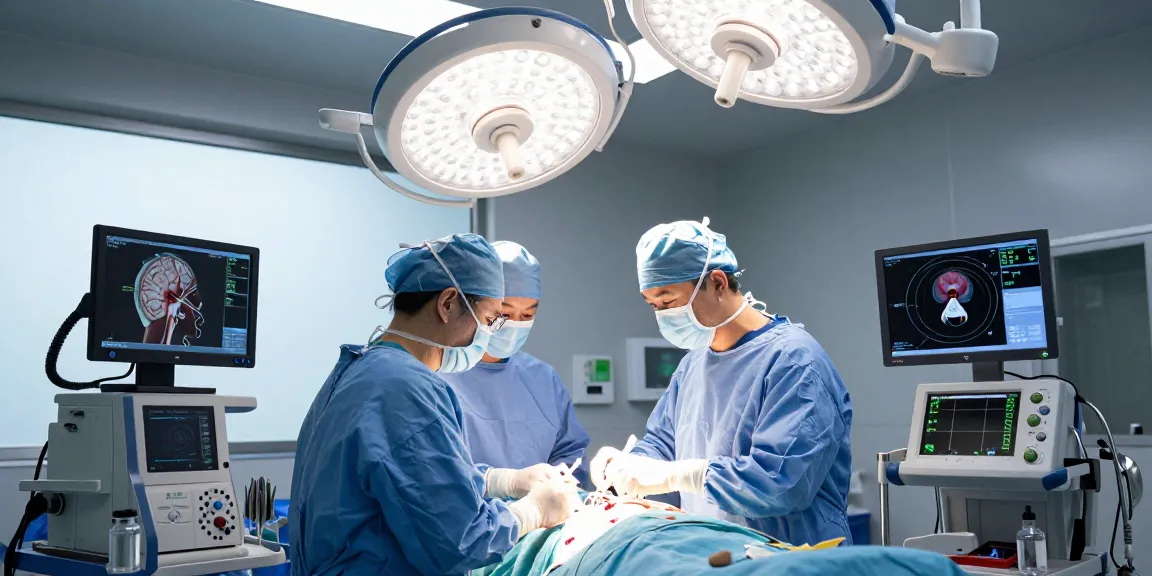
Understanding Brain Tumor Surgery
Brain tumor surgery is a critical intervention for patients diagnosed with various types of brain tumors, including benign and malignant forms. The complexity of these surgeries demands a thorough understanding of the tumor types, surgical techniques, and aftercare protocols. Each surgery is tailored to the individual patient's needs, taking into account the tumor's location, size, and the patient's overall health. For those exploring options, beyin tümörü ameliyatı offers comprehensive insights into treatment protocols and patient care.
What is Brain Tumor Surgery?
Brain tumor surgery involves the direct removal of a tumor from the brain through a procedure known as craniotomy, where a portion of the skull is removed to access the brain. This surgical intervention can be performed for various reasons, including the need to alleviate pressure on the brain, remove a tumor, or obtain a biopsy for diagnostic purposes. The goal of surgery is to remove as much of the tumor as possible while preserving surrounding healthy brain tissue.
Types of Brain Tumors Treated
Brain tumors can be classified into primary tumors, which originate in the brain, and secondary tumors, which result from the spread of cancer from other body parts. Common types include:
- Meningiomas: Typically benign, these tumors arise from the meninges surrounding the brain and spinal cord.
- Gliomas: These are aggressive tumors that begin in the brain’s glial cells, with glioblastomas being the most common and deadly form.
- Metastatic Tumors: These tumors originate from other areas of the body, such as the lungs or breast, and spread to the brain.
Each tumor type has unique characteristics that influence treatment strategies and outcomes.
Importance of Accurate Diagnosis
Accurate diagnosis is crucial for effective treatment planning. Neuroimaging techniques such as MRI and CT scans are used to identify the tumor's type, size, and location. A biopsy may also be conducted to determine the tumor's histological type and grade. This information helps in crafting an individualized treatment plan that may include surgery, radiation therapy, and chemotherapy.
Preparing for Surgery
Preparation for brain tumor surgery is a multi-faceted process that ensures the best possible outcomes for the patient. It encompasses thorough pre-operative assessments, patient education on what to expect, and a full understanding of the associated risks.
Pre-operative Assessments
Before surgery, patients undergo a series of assessments that may include neurological examinations, blood tests, and imaging studies. This comprehensive evaluation helps determine the patient's fitness for surgery and identify any potential risks or complications.
Patient Education and Expectations
Patients should be informed about the surgical procedure, potential outcomes, and recovery processes. Understanding the surgery's risks and benefits can alleviate anxiety and enable patients to participate actively in their care plan.
Common Risks and Considerations
All surgical procedures carry risks, which can include infection, blood clots, and postoperative complications such as neurological deficits. Understanding these risks is essential for both patients and healthcare providers to make informed decisions.
Steps Involved in Brain Tumor Surgery
The surgical process for brain tumors is complex and involves several distinct steps to ensure safety and efficacy. The following sections outline the typical steps involved in brain tumor surgery.
The Surgical Procedure
During the procedure, the patient is placed under general anesthesia. A portion of the skull is temporarily removed, allowing access to the brain. The surgeon uses precise techniques to locate the tumor using neuronavigation systems, which map the brain's anatomy in real-time.
Techniques and Technologies Used
Modern neurosurgery employs various techniques and technologies to enhance surgical outcomes. Key advancements include:
- Intraoperative Imaging: Techniques such as MRI or ultrasound during surgery help in identifying tumor boundaries and ensuring maximum removal with minimal damage to healthy tissue.
- Awake Surgery: In specific cases, patients may remain awake during parts of the procedure, allowing the surgeon to monitor critical functions such as speech and movement in real-time.
- Molecular Imaging: This novel approach can help in assessing tumor aggressiveness and guiding therapy decisions.
Anesthesia and Patient Monitoring
Anesthesia management is essential for ensuring patient safety and comfort. Throughout the surgery, anesthesiologists monitor vital signs and adjust anesthesia levels as necessary. Advanced monitoring techniques help maintain optimal physiological status during the procedure.
Post-operative Care and Recovery
Post-operative care is crucial for a successful recovery following brain tumor surgery. This phase includes immediate aftercare, long-term recovery expectations, and necessary follow-up care.
Immediate Aftercare Protocols
After surgery, patients are typically transferred to a recovery unit where they are closely monitored for any complications. Neurological assessments are regularly conducted to ensure that cognitive and motor functions are intact.
Long-term Recovery Expectations
Recovery from brain surgery varies from patient to patient; however, many can expect to return to normal activities within a few weeks. Rehabilitation services, including physical and occupational therapy, may be necessary to help regain lost functions.
Follow-up Care and Monitoring Strategies
After discharge, regular follow-up appointments are crucial. These may include imaging studies to monitor for tumor recurrence and assessments to manage any long-term effects from the surgery.
Recent Advances and Future Trends in Neurosurgery
Neurosurgery has been rapidly evolving, with numerous advancements aimed at improving patient outcomes. Future trends point towards even more innovative technologies and techniques.
Innovations in Minimally Invasive Techniques
Minimally invasive surgical approaches are becoming increasingly common, allowing for smaller incisions, reduced recovery times, and minimized complications. Techniques such as endoscopic surgery and keyhole craniotomy exemplify these advancements.
The Role of Artificial Intelligence in Surgery
Artificial intelligence is beginning to play a significant role in neurosurgery by enhancing pre-operative planning, intraoperative guidance, and post-operative monitoring. AI algorithms can analyze imaging data to predict surgical outcomes and optimize procedures.
Future Outlook for Brain Tumor Treatments
The future of brain tumor treatment is promising, with ongoing research exploring potential therapies such as immunotherapy and personalized medicine. Tailoring treatment plans based on individual genetic profiles could lead to better prognosis and quality of life for patients.
What Should Patients Know Before Brain Tumor Surgery?
Patients should understand the nature of their tumor, the rationale behind surgery, and potential risks involved. Engaging with their healthcare team for clarity on every aspect of the procedure is vital.
How Long Does Recovery Take After Brain Tumor Surgery?
The recovery timeline can vary significantly based on numerous factors, including the type of surgery performed and the patient’s health. Generally, patients may begin to feel better within weeks but complete recovery can take months.
What Are the Risks Associated with Brain Tumor Surgery?
Risks can range from infection and bleeding to severe outcomes such as stroke or neurological deficits. Informed consent discussions should encompass possible complications.
What Types of Follow-up Care Are Needed Post-surgery?
Follow-up care often includes regular imaging studies, neuropsychological assessments, and consultations with oncology for further treatment if necessary. Engaging in a structured follow-up plan is essential for managing any future health challenges.
How Are Brain Tumor Types Determined Before Surgery?
Brain tumor classification is determined through diagnostic imaging and histopathological evaluation of biopsy samples. For more information, beyin tümörü ameliyatı offers valuable insights. Accurate classification is crucial for determining the most effective treatment strategy.