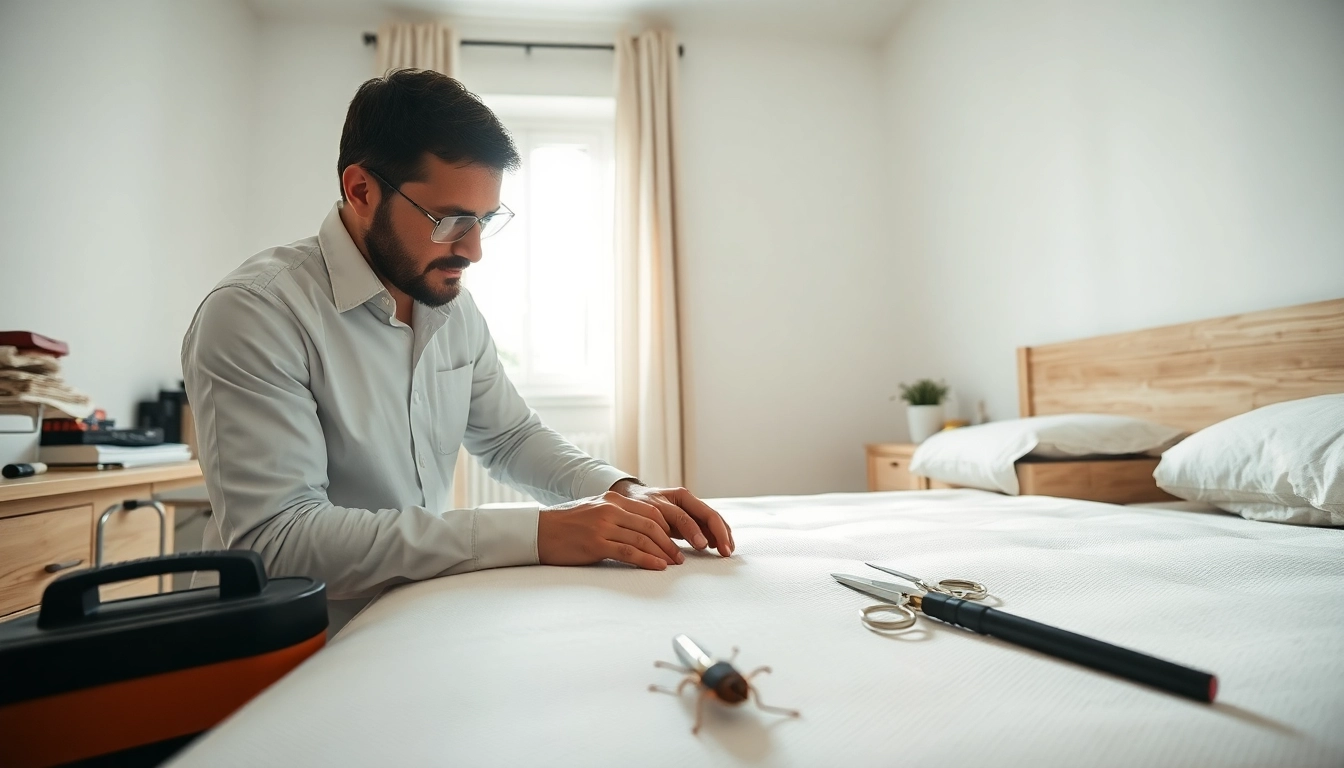
Understanding Bed Bugs and Their Behavior
What Are Bed Bugs?
Bed bugs are small, wingless insects belonging to the Cimicidae family, primarily feeding on the blood of humans and animals. Adult bed bugs measure about 5 to 7 millimeters long, resembling the size of an apple seed. These pests have flat, oval bodies that allow them to hide in crevices and seams, making detection challenging. They are nocturnal creatures, usually coming out at night to bite hosts while they sleep. Their bites can result in itchy, red welts on the skin, often causing discomfort and distress.
Signs of Bed Bug Infestation
Awareness of the signs of bed bugs is essential for early detection and control. Common indicators include:
- Visible Bugs: Spotting adult bed bugs or their nymphs on bedding or furniture.
- Stains and Spots: Small, dark stains of dried blood on linens, mattresses, and walls from crushed bugs or bites.
- Eggs and Shells: Finding tiny white eggs or discarded exoskeletons in hiding spots.
- Unusual Odors: A musty smell emanating from infested areas, resulting from bed bug secretions.
Prompt action upon noticing these signs can significantly aid in effective bed bug removal.
Common Myths About Bed Bugs
Many misconceptions about bed bugs can hinder effective eradication efforts. Here are a few common myths:
- Bed Bugs Only Live in Dirty Places: While clutter can provide hiding spots, bed bugs can infest clean environments just as easily.
- They Only Bite at Night: Though they're primarily nocturnal, bed bugs may bite at any time when hosts are available.
- Bed Bugs Are Only a Problem in Homes: Hotels, public transportation, and offices are also potential breeding grounds.
Preparing Your Space for Bed Bug Removal
Initial Cleaning Steps
Preparation is crucial in the bed bug removal process. Begin by conducting a thorough cleaning of the affected areas:
- Vacuum Everything: Use a vacuum cleaner with a HEPA filter to remove bed bugs and their eggs from carpets, upholstery, and baseboards.
- Wash Fabrics: Launder bed linens, curtains, clothing, and any removable fabric items in hot water (at least 120°F) to kill bugs and eggs.
- Seal Cracks and Crevices: Inspect your home for gaps, and use caulk to seal them, making it harder for bed bugs to hide.
Decluttering and Organizing Spaces
Reducing clutter can lessen bed bug hiding spots and simplify the removal process. Organize areas by:
- Clearing Items from the Floor: Store items in sealed containers.
- Removing Unused Furniture: Discard or treat old furniture that may harbor bed bugs.
- Emphasizing Cleanliness: Regularly clean and check spaces prone to infestations, such as under beds and behind nightstands.
Protecting Your Belongings
Prioritize the safety of your belongings during the removal process. Consider the following:
- Use Plastic Storage Bins: Store clothes and belongings in airtight plastic containers to prevent re-infestation.
- Don’t Move Items Unnecessarily: Avoid transporting infested items to other rooms, which can spread bed bugs.
- Employ Mattress Encasements: Invest in bed bug-proof encasements to protect your mattress and box springs.
Professional Techniques for Bed Bug Removal
Heat Treatment Methods
One of the most effective professional techniques for bed bug removal is heat treatment. This method involves raising the temperature of infested areas to about 120°F to 140°F, which is lethal to bed bugs:
- Fast and Thorough: Heat treatment can eliminate all life stages of bed bugs, from eggs to adults, usually in a single session.
- Environmentally Friendly: This method does not rely on harsh chemicals, making it safer for humans and pets.
- Specialized Equipment: Professional pest control companies use specialized machinery to heat the affected space uniformly.
Chemical Treatment Options
If heat treatment is not suitable, chemical treatments may be employed. These include:
- Insecticides: Various insecticides are formulated to target bed bugs, available in sprays, powders, and residual treatments.
- Follow-Up Applications: Chemical treatments typically require multiple applications to ensure elimination, as eggs may remain.
- Professional Application: A trained professional should apply these chemicals to minimize risks and maximize effectiveness.
Integrated Pest Management Approach
Integrated pest management (IPM) combines multiple strategies for comprehensive bed bug control:
- Surveillance and Inspection: Regular monitoring of potential infestations to take action promptly.
- Cultural Controls: Encouraging preventive behaviors, such as regular cleaning and awareness of bed bug habitats.
- Education: Providing information to occupants about recognizing and reporting signs of bed bugs.
This holistic approach enhances overall effectiveness in bed bug removal and prevention.
DIY Solutions for Bed Bug Removal
Natural Remedies You Can Try
If professional treatment is not an option, you may try some natural remedies. While they may not be as effective as professional methods, they can provide assistance:
- Steam Cleaning: Using a steam cleaner at high temperatures can kill bed bugs on contact.
- Essential Oils: Some oils, such as tea tree and lavender, are reputed to repel bed bugs, although their efficacy in killing them varies.
- Diatomaceous Earth: This natural powder can be sprinkled in infested areas and disrupt bed bugs' exoskeletons upon contact, leading to desiccation.
Common Mistakes to Avoid
When attempting DIY bed bug removal, avoiding certain pitfalls can enhance your chances of success:
- Inadequate Preparation: Failing to declutter and prepare space thoroughly can lead to ongoing infestations.
- Overusing Chemicals: Applying too many chemicals without proper knowledge can be harmful and not yield desired results.
- Neglecting Follow-Up: Without ongoing monitoring and maintenance, bed bugs can return even after initial eradication efforts.
When to Seek Professional Help
If you notice persistent signs of bed bugs despite your efforts, it’s time to consult a professional:
- If you experience severe allergic reactions or skin issues from bites.
- When the infestation becomes widespread and overwhelming.
- If natural remedies fail to yield noticeable results after several weeks.
Professionals possess the experience and tools needed for effective bed bug removal.
Maintaining a Bed Bug-Free Environment
Post-Treatment Tips and Best Practices
After successful bed bug removal, it's crucial to implement practices that maintain a pest-free environment:
- Regular Vacuuming: Continue vacuuming carpets, furniture, and sleeping areas to capture any stray bugs.
- Monitor Any Recurrent Signs: Stay alert for any signs of bed bugs returning, and act quickly if you notice anything suspicious.
- Launder Bedding Frequently: Wash bed linens and sleepwear weekly in hot water to eliminate potential eggs.
Regular Inspections and Monitoring
Continuing periodic inspections is vital to catch and address any bed bug activity early:
- Professional Inspections: Consider scheduling professional inspections periodically as a preventive measure.
- Visual Checks: Regularly check bedding, mattresses, and furniture for signs of reinfestation.
- Use Interceptors: Employ bed bug interceptors beneath furniture legs to trap and monitor any bed bugs attempting to climb.
Using Mattress Encasements
Investing in high-quality mattress and box spring encasements can be a cornerstone of your pest prevention strategy:
- Barrier Against Infestation: These encasements keep bed bugs trapped inside, preventing them from feeding or laying eggs.
- Ease in Cleaning: They create a waterproof and easy-to-clean layer for mattresses, reducing wear and tear over time.
- Checked for Quality: Ensure that encasements are certified bed bug-proof for optimal protection.
FAQs About Bed Bug Removal
1. How can I tell if I have a bed bug infestation?
Look for visible bugs, blood stains, and bites on your skin. Also, check for eggs and shed skins around your bed and furniture.
2. What is the most effective method for bed bug removal?
Heat treatment is one of the most effective methods, as it can eliminate all life stages of bed bugs quickly and efficiently.
3. Can I get rid of bed bugs on my own?
Yes, you can try DIY methods like steam cleaning and natural remedies. However, professional elimination is often more reliable.
4. How long does the bed bug removal process take?
The duration can vary, but comprehensive treatments may take weeks to fully ensure bed bugs are eradicated, often requiring follow-ups.
5. Are bed bugs dangerous to my health?
While bed bugs are not known to transmit diseases, their bites can lead to allergic reactions, itching, and anxiety, disrupting sleep and quality of life.