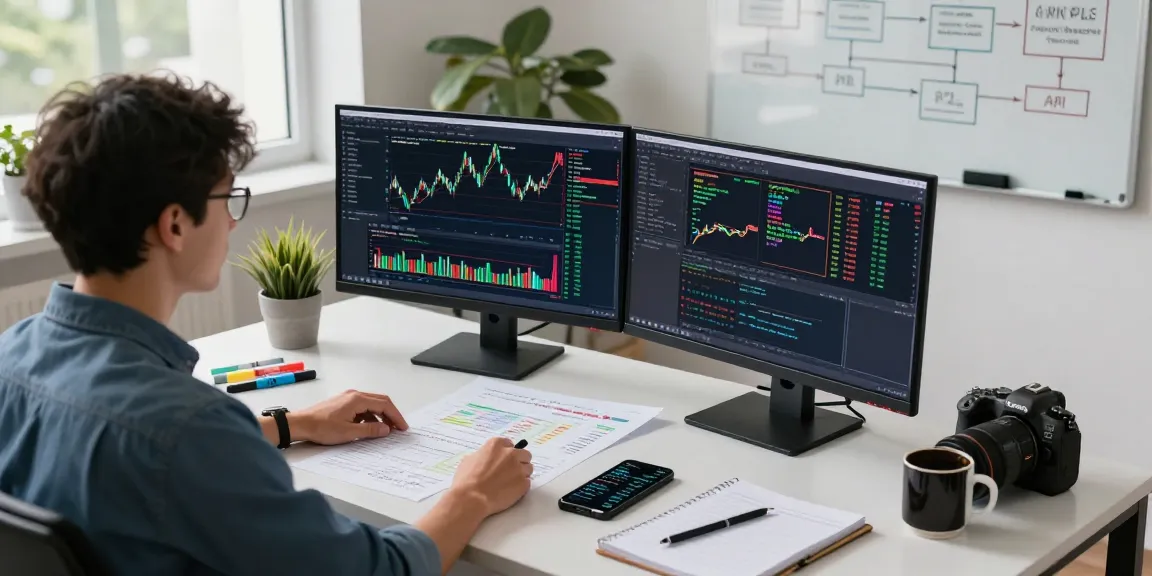
Understanding Low-Latency Forex APIs
The financial landscape is rapidly evolving, harnessing the power of innovative technologies such as blockchain, artificial intelligence, and machine learning. This transformation is particularly evident in the forex trading realm, where high-frequency traders and institutional investors demand immediate access to accurate, real-time market data. A low-latency forex API, or 低延迟行情API, emerges as a crucial technological tool enabling developers, traders, and researchers to optimize their trading strategies and methods. In this section, we explore what low-latency forex APIs entail.
What is a Low-Latency Forex API?
A low-latency forex API is designed to deliver real-time foreign exchange market data with minimal delay, often measured in milliseconds. These APIs allow users to access essential information including live exchange rates, financial trends, historical data, technical indicators, and market depth. The primary goal of low-latency APIs is to ensure that traders can make informed decisions quickly, which is critical for success in the ever-changing forex market.
Importance of Real-Time Data in Trading
Real-time data is vital in trading because price fluctuations can occur in the blink of an eye. Traders rely on this data to execute trades at the optimal moment and to take advantage of price discrepancies. Furthermore, reliable data facilitates effective technical analysis, which involves assessing historical price movements to forecast future trends. In a landscape where every second counts, the reliance on low-latency APIs becomes increasingly apparent.
How 低延迟行情API Enhances Trading Strategies
Accessing fast, high-quality data equips traders with the necessary tools to make data-driven decisions. Whether scalping for small profits, executing long-term strategies, or conducting quantitative and algorithmic trading, a low-latency API can significantly impact trading efficiency and outcomes. Furthermore, the API's ability to provide real-time alerts and notifications about market changes allows traders to act swiftly when opportunities arise.
Comparative Analysis of Leading Forex APIs
Performance Metrics: Speed and Reliability
When selecting a forex API, performance metrics such as speed and reliability are paramount. Low-latency operations require the API to support millisecond-level updates, ideally leveraging WebSocket technology for streaming data. Reliable APIs should also have minimal downtime and robust backup systems to ensure continuous data transmission, thereby fostering trader confidence and market stability.
Features: Technical Indicators and Market Depth
In addition to raw exchange rate data, top-tier forex APIs offer sophisticated features including technical indicators like moving averages, Bollinger Bands, and Relative Strength Index (RSI). These indicators play a critical role in performing technical analyses and determining entry and exit points for trades. Moreover, APIs that provide comprehensive market depth data give traders insights into supply and demand dynamics, which can inform their trading strategies.
Pricing Models and Free Trial Advantages
Forex API providers typically adopt varied pricing models tailored for different user needs. Many platforms offer tiered subscriptions based on features utilized, with basic options available for free. Free trials allow traders to experience the API's capabilities before committing to a subscription, ensuring they can evaluate its fit for their trading framework.
Connecting with 低延迟行情API
Getting Started with Your Free API Key
To start utilizing a low-latency forex API, users first need to sign up for a free account, after which they typically receive an API key. This key allows for authenticated access to the data streams and endpoints offered by the API. Proper management of this key is critical to maintaining data security and integrity.
API Integration with Popular Trading Platforms
Most forex APIs are designed with compatibility in mind, supporting integration with popular trading platforms such as MetaTrader 4/5, NinjaTrader, and cTrader. Integration typically involves utilizing the API documentation and relevant libraries to establish connections and retrieve data effectively. API users should also be aware of potential limitations in terms of data call frequencies and resource consumption.
Common Challenges and How to Overcome Them
While integrating and using a low-latency forex API, developers might encounter several challenges such as latency issues, data synchronization, and service outages. Implementing fallback procedures, ensuring redundancy in data pipelines, and monitoring system performance closely can help mitigate these challenges, enabling traders to maintain their competitive edge.
Technical Aspects of Low-Latency Forex Trading
Latency Optimization Techniques
Optimizing latency in forex trading is essential for high-frequency trading strategies. Techniques may include using dedicated servers located close to trading exchanges, employing efficient data processing methods, and reducing the size of data packets transmitted via the API. Traders may also consider batch processing where possible to minimize the amount of data exchanged.
WebSocket vs. RESTful API: Choosing the Right Approach
When selecting between WebSocket and RESTful APIs, it’s important to consider the specific trading requirements. WebSocket APIs provide real-time streaming of market data, making them preferable for scenarios where continuous updates are necessary. On the other hand, RESTful APIs are more suitable for users who require periodic updates and can tolerate some latency, as they operate on a request-response model.
Security Considerations for API Usage
Security is a paramount concern when utilizing forex APIs. Best practices include using secure channels for data transmission, implementing API keys, and employing two-factor authentication (2FA). Additionally, developers should regularly audit their application for vulnerabilities and incorporate mechanisms to recognize and respond to potentially malicious activities.
The Future of Forex Trading and APIs
Trends Shaping the Forex Market in 2026
As we look towards 2026, several key trends are expected to shape the forex trading landscape. The integration of blockchain technology offers unprecedented opportunities for greater transparency and efficiency. Furthermore, the rise of algorithmic trading and AI-driven decision-making tools will enhance market dynamics, leading to an increasingly data-centric future.
How AI and Machine Learning Are Influencing Trading
Artificial intelligence and machine learning algorithms are becoming integral to forex trading strategies. These technologies enable traders to analyze large data sets and identify patterns that would be impossible for human analysts to detect. As these tools continue to evolve, they will likely lead to more sophisticated trading algorithms that enhance profitability and risk management.
Investing in Technology: Staying Ahead of the Curve
For traders to thrive in an increasingly competitive environment, investment in technology is crucial. Staying informed about emerging technologies such as decentralized finance (DeFi), blockchain innovations, and new analytical tools will empower traders to adapt their strategies effectively. Furthermore, investing in infrastructure to support speedy and secure trading will ensure their operations remain resilient.
What are the benefits of low-latency trading and API compliance?
Low-latency trading enables traders to execute strategies that capitalize on minute market fluctuations, significantly enhancing profit margins. Moreover, ensuring API compliance with regulatory requirements helps mitigate legal risks, builds trust with clients, and fosters sustainable trading practices.
How do I ensure API security and prevent hacking?
To secure an API and prevent hacking attempts, implement best practices such as using HTTPS, restricting API key access, employing rate limiting to mitigate brute-force attacks, and routinely updating security protocols. Furthermore, user education on recognizing phishing attempts is vital for preserving security.
Can I make money with a low-latency API?
While a low-latency API can enhance trading performance, it does not guarantee profits. Successful trading still requires informed decision-making, rigorous analysis, and effective risk management. Traders must understand market trends and their personal tolerance for risk to maximize their potential returns.
What key indicators should I monitor for Forex trading?
Key indicators for forex trading include economic indicators such as unemployment rates, interest rates, and GDP growth. Additionally, traders should utilize technical indicators, including moving averages, RSI, and stochastic oscillators to inform their trading decisions.
How do I choose the right Forex API for my needs?
Choosing the right Forex API involves assessing factors such as the range of available trading pairs, update frequency, pricing structure, documentation quality, and user support. Evaluating these characteristics against your trading requirements will help you select the most suitable API.