Understanding the Dump Trailer Basics
What is a dump trailer?
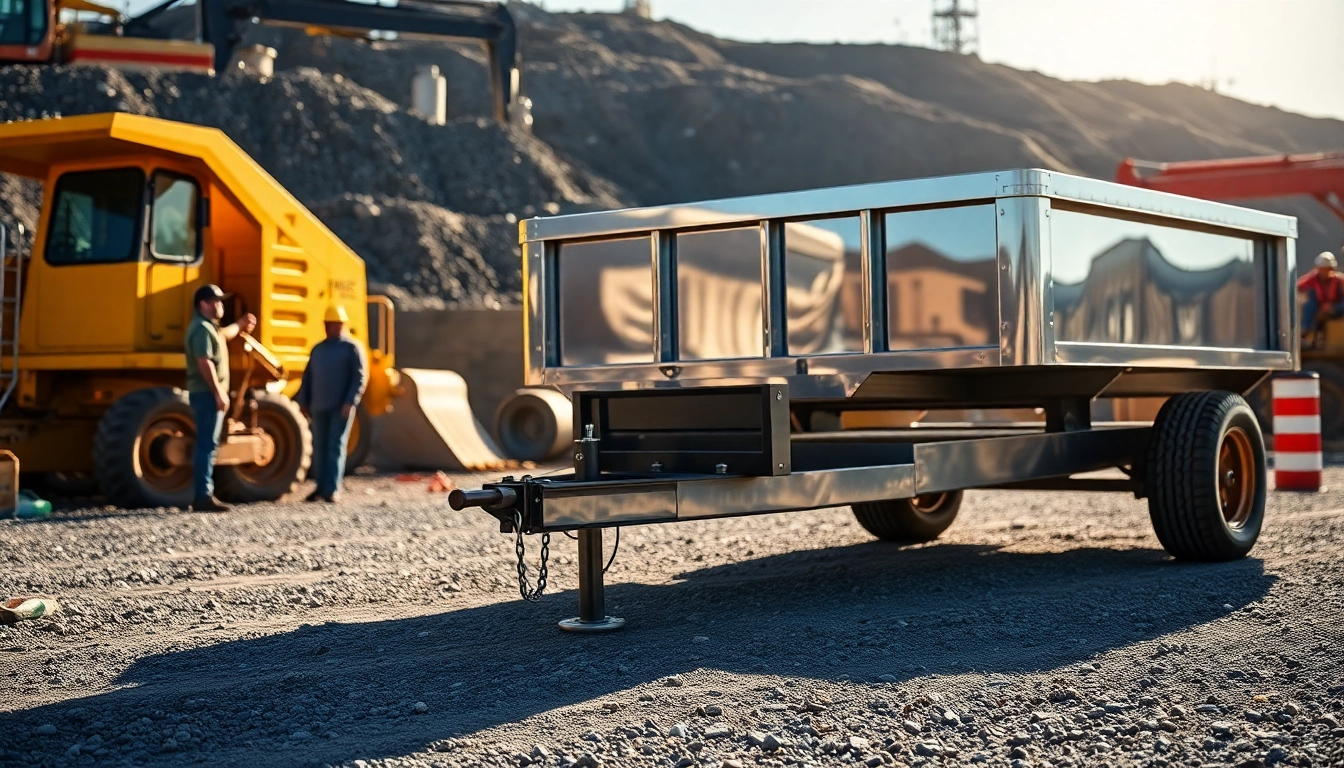
A dump trailer is a specialized trailer designed primarily for transporting bulk materials such as gravel, sand, dirt, and construction debris. It features a hydraulic system that allows the trailer bed to tilt and dump its contents at a designated location, streamlining the unloading process significantly compared to traditional open trailers. Typically used in construction, landscaping, and waste management, these trailers can vary widely in size, weight capacity, and features.
Types of dump trailers available
Dump trailers are classified into several types based on their design and intended use. The most common categories include:
- Single Axle Dump Trailers: Smaller and easier to maneuver, ideal for residential projects or light-duty hauling.
- Tandem Axle Dump Trailers: Offers greater stability and higher weight capacity, suitable for commercial use.
- Gooseneck Dump Trailers: Features a gooseneck hitch for better weight distribution, providing enhanced towing capability for larger loads.
- Hydraulic Dump Trailers: Equipped with a hydraulic lift for quick unloading, beneficial for heavy-duty materials.
- Electric Dump Trailers: Utilizes electric systems for dumping instead of hydraulic, appealing for eco-friendliness and ease of use.
Key components of a dump trailer
Understanding the essential components of a dump trailer can help users choose the right model based on specific needs. Key components include:
- Frame: The main support structure, typically made from strong steel or aluminum to ensure durability.
- Bed: The area where loads are transported; can come in various lengths and materials, including steel and aluminum.
- Hydraulic Cylinder: Powers the lift mechanism of the trailer, allowing for effective dumping.
- Axles and Tires: Essential for distributing weight and providing the necessary support for hauling.
- Hitch: The connecting mechanism allowing the dump trailer to attach to a towing vehicle.
- Stabilizer Jacks: Used to support the trailer while loading or unloading, preventing unwanted movement.
Benefits of Using a Dump Trailer
Efficiency in hauling materials
One of the primary advantages of a dump trailer is its ability to transport large amounts of materials quickly and efficiently. The hydraulic mechanism allows users to unload the trailer's contents with minimal effort, which is crucial in projects that require the swift relocation of aggregates. This capability not only speeds up the workflow but also reduces manual labor costs associated with unloading materials by hand.
Cost-effectiveness for businesses
Investing in a dump trailer can lead to significant cost savings for businesses involved in construction, landscaping, or waste management. By reducing the amount of time and labor needed to unload materials, these trailers allow more efficient utilization of workforce resources. Furthermore, owning a dump trailer can eliminate rental costs over time, leading to increased profitability.
Enhanced safety features
Safety is paramount in any hauling operation. Dump trailers are designed with various safety features, such as sturdy construction to withstand heavy loads and prevent tipping during transport. Additionally, many models come equipped with safety chains, reflectors, and brake lights to ensure compliance with road safety regulations. Some advanced models also include features such as automated locking mechanisms to secure the load during transport.
How to Choose the Ideal Dump Trailer
Assessing your hauling needs
Choosing the right dump trailer begins with a careful assessment of your hauling needs. Consider factors such as the size and weight of the materials you plan to transport, as well as the types of projects you will undertake. For light-duty tasks, a smaller, single axle dump trailer may suffice, while heavier commercial applications may require a tandem axle or gooseneck model.
Exploring weight capacity and size
When evaluating dump trailers, pay close attention to their weight capacity and dimensions. Understanding how much weight a trailer can safely carry is essential for compliance with legal limits and ensuring safe transport. Measure the kind of loads you'll be working with and choose a trailer that not only meets but exceeds your weight requirements to allow for some leeway.
Evaluating build quality and materials
Dump trailers come in various materials, including steel and aluminum. Steel trailers are typically heavier and more durable, making them ideal for heavy-duty tasks. Aluminum trailers, while lighter and resistant to rust, may not provide the same strength under extreme conditions. Evaluate the build quality by looking into factors like the gauge of steel, welding precision, and overall assembly to ensure you invest in a reliable product.
Maintenance Tips for Your Dump Trailer
Regular inspection practices
Regular inspections are vital to maintaining dump trailers and ensuring they operate safely and effectively. Check the frame for any signs of cracks or rust, inspect the hydraulic system for leaks, and confirm that the tires are inflated to the proper pressure. Additionally, confirm attachment points and electronic components are functioning correctly, which will enhance performance and extend the lifespan of the trailer.
Cleaning and care techniques
To prolong the life of your dump trailer, routine cleaning is essential. After each use, wash the trailer to remove dirt, debris, and corrosive materials such as salt or chemicals. Applying protective coatings to the bed and other components will help prevent rust and corrosion. Keeping the trailer clean not only improves its appearance but also allows for easier inspections to detect potential issues.
Common repairs and troubleshooting
Even with proper maintenance, issues can arise with dump trailers over time. Common repairs may include replacing hydraulic hoses, repairing leaks, or addressing mechanical failures in the lift system. Understanding basic troubleshooting techniques can help you identify problems early. If the trailer doesn’t lift, commonly check the hydraulic fluid levels, inspect for leaks, or assess the battery connections if it's an electric model.
FAQs about Dump Trailer Usage
How much weight can a dump trailer carry?
The weight capacity of a dump trailer varies widely, typically ranging from 2,000 to 14,000 pounds, depending on the model and size. Always refer to the manufacturer's specifications for exact limits.
What materials are suitable for dump trailers?
Dump trailers are designed to carry various materials, including stones, dirt, gravel, landscaping debris, and construction waste. Ensure the material is within the trailer’s weight limit.
Do I need a special license for towing?
Licensing requirements for towing a dump trailer depend on the trailer's weight and your location. Generally, trailers over a specific weight may require a special endorsement or license.
How can I enhance the lifespan of my dump trailer?
Regular maintenance, including inspections, cleaning, and addressing any repairs promptly, will significantly enhance your dump trailer's lifespan. Avoid overloading it and ensure proper storage when not in use.
Can dump trailers be customized?
Yes, many manufacturers offer customization options for dump trailers, such as different sizes, axle configurations, and additional features like tarps or side extensions, tailored to specific needs.