Understanding Your Options to Buy Pool Tables
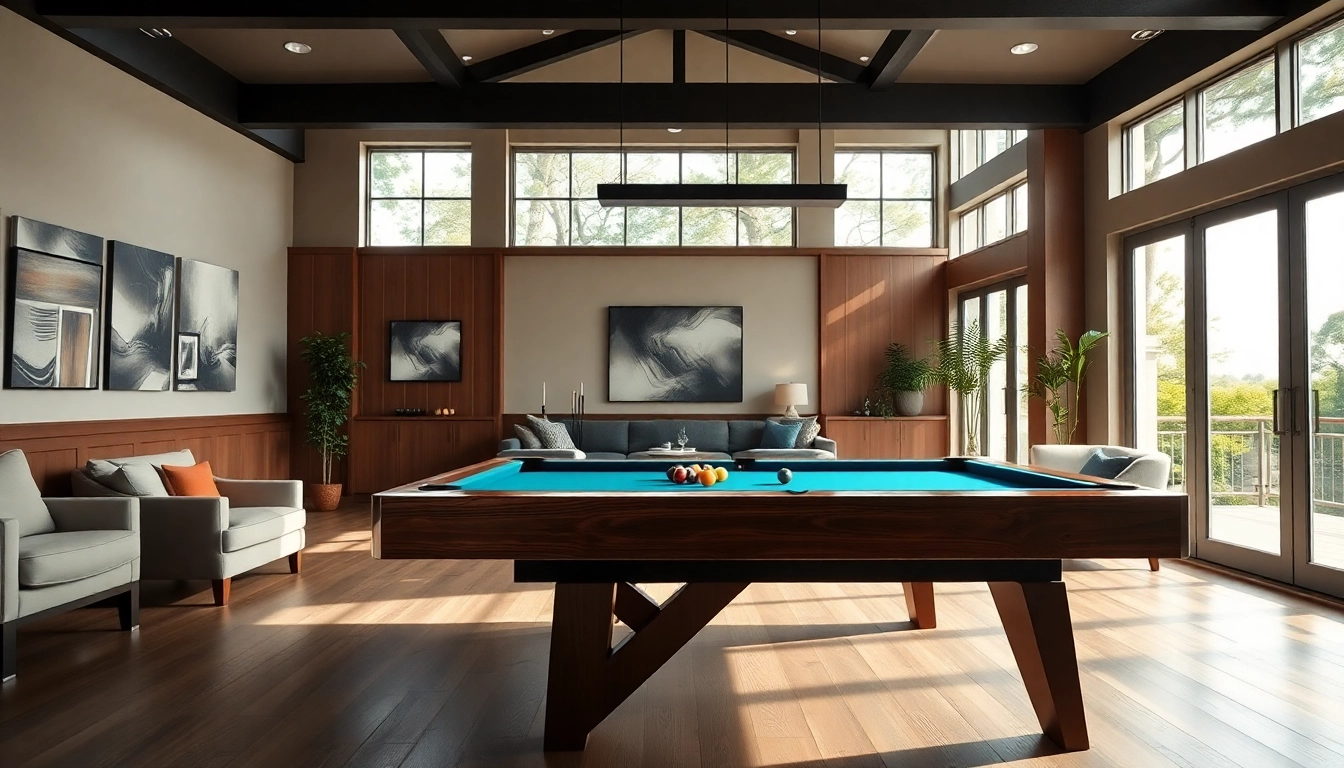
When it comes to creating a game room, selecting the right pool table is one of the most pivotal decisions you'll make. With a plethora of options available, from materials and sizes to styles, understanding these variations can help streamline your purchasing process. To find the perfect addition to your home entertainment, you can Buy Pool Tables that cater to your needs, whether for casual play or serious competition.
Different Types of Pool Tables Available
Pool tables come in a variety of forms, which can be categorized based on size and construction. The most common types include:
- Slate Pool Tables: Generally regarded as the best quality option, slate tables feature a solid slate bed, ensuring a level playing surface and superior durability.
- Non-Slate Pool Tables: Often constructed from MDF or particle board, these are usually less expensive but can affect ball movement and longevity.
- Folding Pool Tables: Great for smaller spaces, these tables can be folded for easier storage, making them flexible for casual play.
- Outdoor Pool Tables: Made with weather-resistant materials, these tables are designed for outdoor use, allowing players to enjoy the game in the sunshine.
Factors to Consider When Choosing
Selecting the right pool table is not just about aesthetics; you'll want to consider:
- Usage: Are you planning to use the table frequently for parties and family gatherings, or will it be more for serious play?
- Space: Ensure you have adequate room not just for the table but also for players to move comfortably.
- Budget: Determine how much you’re willing to spend; remember that quality typically correlates with price.
- Style and Finish: The design of the table should complement your overall home decor.
The Best Materials for Your Pool Table
The materials used in a pool table significantly affect its performance and durability. Here are some materials to consider:
- Slate: This is the gold standard for professional tables. A solid slate ensures a flat playing surface and durability.
- Wood: The frame and legs of a table are typically constructed from hardwood, contributing to stability and aesthetics.
- Fabric: The playing surface is covered with felt, which influences the speed and spin of the balls. Higher-quality felt offers better playability.
How to Measure Space for Pool Tables
Before purchasing a pool table, understanding how to measure space correctly is critical to ensuring a good fit.
Standard Dimensions Explained
Pool tables come in several standard sizes, with the most common sizes being:
- 7-foot: 78” x 39” – Ideal for smaller spaces.
- 8-foot: 88” x 44” – This size is more common in home game rooms.
- 9-foot: 100” x 50” – Often used in professional settings.
Finding the Right Size for Your Room
When selecting a size, consider the space available in your room. Ideally, you should have an additional 5 feet on all sides of the table to accommodate cues:
- For a 7-foot table, the minimum room size should be 12’ x 16’.
- For an 8-foot table, the minimum room size should be 13’ x 17’.
- For a 9-foot table, the minimum room size should be 14’ x 18’.
Allowing for Cushion and Player Movement
Understanding the space required for cue strokes is essential. Ensure your layout allows for comfortable player mobility without obstruction. Ideal cue lengths will require at least 4.5 feet from the edge of the table for a full stroke.
Features That Enhance Your Pool Tables Experience
Buying a pool table is not only about playability but also about enhancing the overall experience. Here are features to consider:
Understanding Slate vs. Non-Slate Tables
Slate tables offer superior playability due to their flatness, which prevents warping. Non-slate options may be suitable for casual play but might lead to inconsistencies in performance over time.
Customizing Your Pool Table
Customization options can enhance both aesthetics and function. Consider personalized graphics, custom color felt, or adding specialty pockets. A tailored table can make a statement in your game room.
Upgrades and Accessories to Consider
Accessories can dramatically enhance your pool experience. Here are some upgrades to consider:
- Lighting: Invest in overhead lighting that reduces shadows and illuminates the table evenly.
- Cues and Accessories: High-quality cues, chalk, and bridges enhance gameplay.
- Cover: Protect your investment with a table cover when not in use.
Where to Buy Pool Tables: Best Practices
Knowing where to buy your pool table will affect not just your selection but also quality and price.
Online vs. Local Retailers
When evaluating options to buy pool tables, consider both online and local retailers:
- Online: A broader selection and often better prices. Make sure you read customer reviews and check return policies.
- Local: Provides the opportunity to see the table in person. Ensure the retailer offers trustworthy delivery and setup services.
Considerations When Buying Used Tables
Purchasing a used table can save money, but be sure to inspect for damage, especially to the slate and felt. Always ask for maintenance history and whether it was stored in a climate-controlled environment.
Understanding Warranties and Support Options
When you buy a pool table, ensure that the table comes with a warranty. Look for tables that offer at least a one-year guarantee on materials and craftsmanship. This can save you unexpected repair costs.
Maintenance Tips for Longevity of Pool Tables
A pool table is a significant investement. Proper maintenance ensures that it remains in great condition for years to come.
Routine Care for Your Pool Table
Your table will require regular care, including:
- Cleaning: Regularly brush the felt and clean the surface to prevent debris buildup.
- Leveling: Ensure that the table is well-leveled, as this affects playability.
- Refelting: Consider replacing the felt every few years to maintain optimal playing conditions.
Dealing with Common Issues
Addressing common problems like bumps on the slate or loose pockets can help prolong your table's lifespan. Regular adjustments and contact with professionals are recommended for major repairs.
Professional Services or DIY Repairs?
While some minor repairs may be manageable as DIY tasks, consider hiring professionals for complex issues such as slate adjustments or felt replacement. Their expertise can prevent further damage.
FAQs about Buying Pool Tables
1. What size pool table should I buy?
Consider available space; commonly 7-foot for smaller rooms and 8 or 9-foot for larger spaces, ensuring proper room dimensions for cues.
2. How do I maintain my pool table?
Regular brushing, cleaning spills immediately, and using a cover when not in use are essential for preserving your table's longevity.
3. Is a slate table worth the investment?
Yes, slate tables provide superior durability and a consistent playing surface. They usually last much longer than non-slate options.
4. Can I customize my pool table?
Absolutely! Many tables allow for personalized felt colors, custom graphics, and optional features like lighting and pockets.
5. What is the ideal spacing around a pool table?
For an optimal play experience, ensure at least 5 feet of space around the table so players can make full strokes with their cues comfortably.