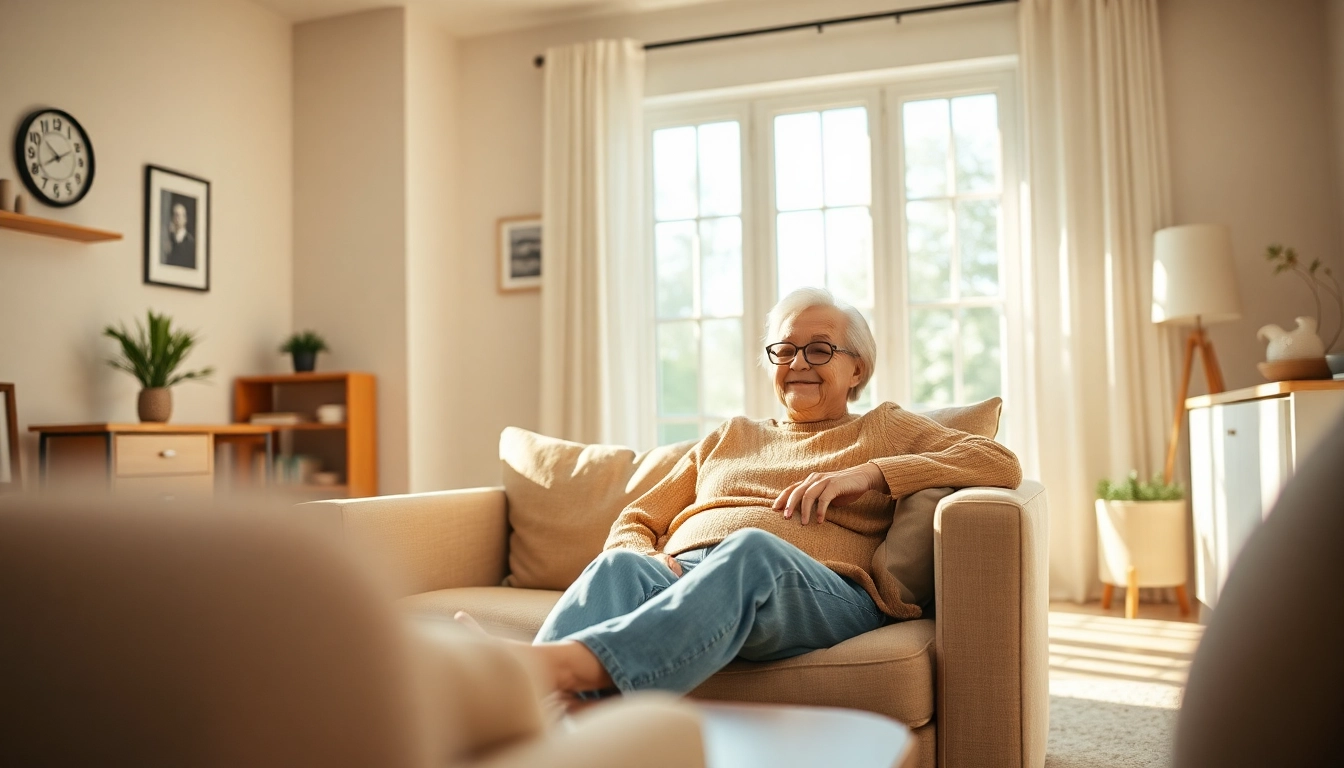
Understanding Aging in Place Austin Texas
What is Aging in Place?
Aging in place refers to the ability of older adults to live independently in their homes or communities of choice for as long as possible, regardless of age, ability, or income. This concept prioritizes the comfort and familiarity of one's home environment, allowing seniors the freedom to maintain their lifestyle while receiving necessary support. As the population ages, particularly in vibrant cities like Austin, Texas, aging in place has become a critical aspect of senior care. It embodies more than just staying at home; it encompasses a comprehensive approach that integrates health care, community services, and safety modifications.
Importance for Seniors
The importance of aging in place cannot be overstated. For many seniors, the thought of leaving their homes due to age or health issues can be distressing. Aging in place allows individuals to retain their independence, promoting mental and emotional well-being. Studies indicate that seniors who age in place report higher satisfaction levels and better overall health compared to those who transition to assisted living facilities. Additionally, being in a familiar environment can reduce the risk of depression, anxiety, and other mental health concerns. Aging in place Austin Texas effectively supports the emotional ties seniors have with their homes and the communities they have nurtured over the years.
Common Misconceptions
Despite its benefits, aging in place is often shrouded in misconceptions. One common belief is that seniors aging in place will be isolated or lonely. However, many communities provide a wealth of social activities tailored for older adults, enabling seniors to connect with peers. Another misconception is that aging in place is synonymous with living alone, when in fact, it can include various levels of care, from professional home health services to supportive family members. Moreover, some may think that homes are not adaptable for aging individuals; with the right modifications and support, nearly any living space can be made safe and accessible for seniors.
Designing Accessible Homes in Austin
Key Features for Safety
To create a supportive environment for aging in place, certain features should be integrated into the home. Safety is paramount, with essential modifications including grab bars in bathrooms, non-slip flooring, and adequate lighting to prevent falls. Lever handles on doors and cabinets can replace traditional knobs, making them easier for seniors to use. Additionally, homes should have clear pathways free of clutter, well-placed furniture, and low-pile carpets to promote safe mobility. Assessing and enhancing safety measures in the home can significantly reduce accidents and increase the comfort level for seniors.
Choosing Appropriate Layouts
When considering new home construction or renovations, one must prioritize layouts that cater to the specific needs of aging residents. Single-story homes are highly recommended as they eliminate stairs, which pose challenges for seniors with mobility issues. Open floor plans can further enhance accessibility, providing ample space to navigate without obstacles. It’s also vital to ensure that kitchens and bathrooms are designed with accessibility in mind, featuring lower countertops and easy-to-reach storage. Working with architects or designers experienced in accessible living spaces can yield optimal results.
Adapting Existing Spaces
For those looking to adapt their current homes for aging in place, starting with a thorough assessment of the space can provide insights into necessary changes. Key adjustments might include renovating a bathroom to include a walk-in shower or adding a ramp at the entrance for easier access. Incorporating smart home technologies, such as voice-activated lighting and automated doors, can greatly enhance a senior’s independence. Enlisting the help of professionals who specialize in home modifications for seniors can ensure that all adaptations are effective and safe.
Local Resources and Support in Austin
Community Programs
Austin boasts a variety of community programs designed to support aging in place initiatives. Local organizations often provide resources for transportation, meals, and social activities tailored for seniors. These programs play an essential role in connecting older adults with one another, fostering a sense of community and belonging. Furthermore, many community services offer outreach to ensure seniors maintain access to vital resources while living independently.
Professional Services
A range of professional services is available in Austin to assist seniors in their quest for independence. Home health agencies offer skilled nursing and therapy services that can be delivered in the home, while caregiver services provide companionship and assistance with daily activities. Additionally, occupational therapists can conduct home assessments, recommending modifications to improve safety and accessibility while ensuring that seniors can continue to manage their day-to-day routines.
Advocacy Groups
In Austin, numerous advocacy groups work tirelessly to promote the interests of older adults. These organizations aim to influence policy, raise awareness about the importance of aging in place, and provide vital resources to seniors and their families. By connecting individuals with essential services and providing education on senior rights, these advocates play an integral role in the movement toward enhancing aging in place initiatives.
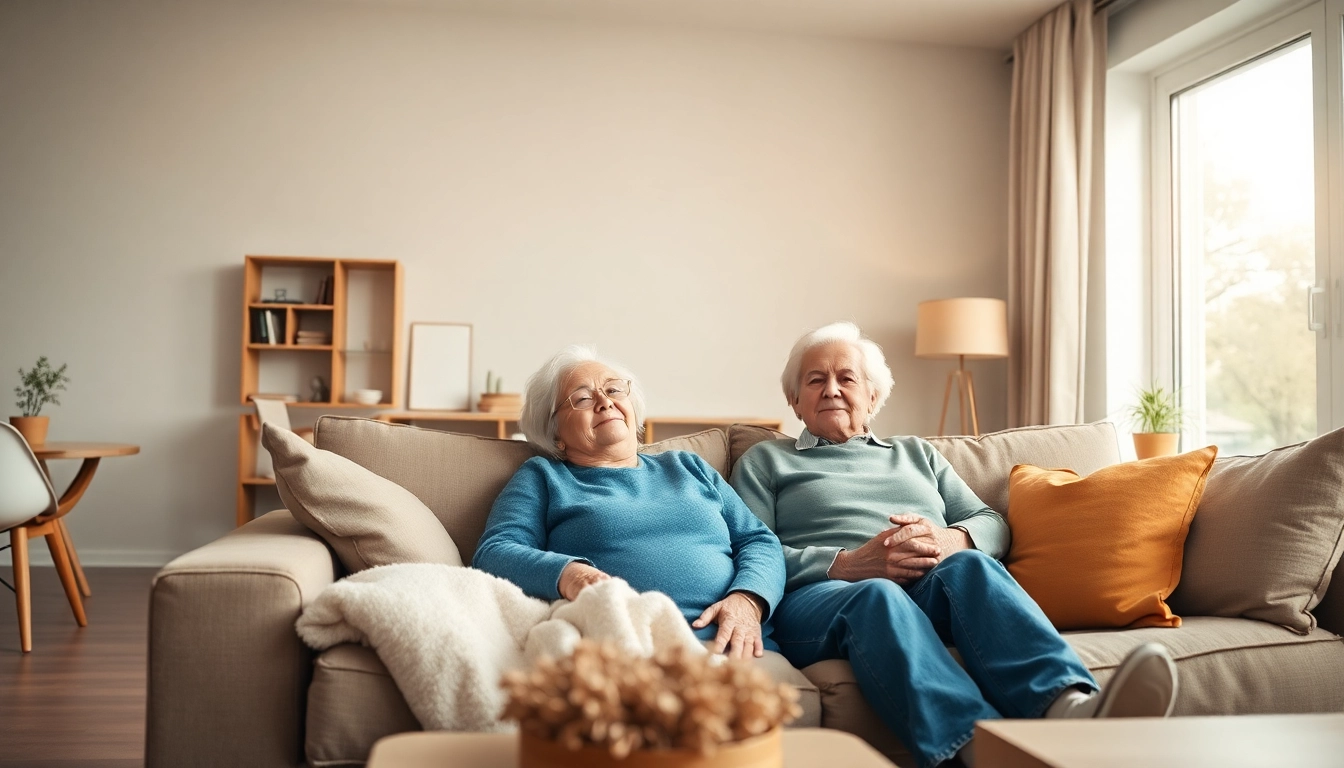
Challenges of Aging in Place Austin Texas
Common Obstacles for Seniors
While there are significant benefits to aging in place, several obstacles can hinder seniors from successfully managing this lifestyle choice. Physical limitations may arise, making it challenging to complete day-to-day tasks without assistance. Social isolation can also be a concern, especially for seniors who live alone or have limited mobility. It is critical to recognize these challenges and develop strategies to mitigate them, ensuring that older adults can enjoy their independence while receiving the necessary support.
Financial Considerations
Financial challenges are another prevalent concern for seniors seeking to age in place. The cost of home modifications, health care services, and in-home support can add up quickly. Understanding available financial resources, such as state-funded assistance programs or grants specific to home improvements for seniors, can offer significant relief. It is essential to create a comprehensive financial plan that accounts for potential long-term care needs while managing current expenses.
Addressing Emotional Well-being
The emotional well-being of seniors aging in place is just as important as their physical health. Feelings of loneliness and anxiety can arise when isolation becomes a reality. Engaging in community activities, keeping social ties, and utilizing support services can help mitigate these feelings. Additionally, regular check-ins from family and friends can go a long way in addressing loneliness and providing emotional support, ensuring that seniors feel connected and valued.
Future Trends in Aging in Place in Austin
Smart Home Technology
The landscape of aging in place is rapidly evolving, particularly with the advent of smart home technology. Devices such as smart locks, thermostats, and home assistants can significantly enhance the safety and convenience of living for seniors. These technologies allow for streamlined communication with caregivers or family members and can provide alerts in emergencies. As technology continues to develop, the integration of these tools will become increasingly vital for promoting independence in aging adults.
Innovative Solutions for Accessibility
Creativity is central to addressing the challenges of accessibility for seniors. Innovative design solutions, from modular ramps to adjustable kitchen features, are becoming more prevalent. Companies are focusing on creating products that blend functionality with aesthetic appeal, ensuring that homes can be both stylish and accommodating for aging residents. Additionally, advances in construction methods can lead to more affordable and effective aging in place solutions.
Community Engagement Initiatives
Communities across Austin are increasingly focusing on engagement initiatives aimed at supporting seniors and fostering intergenerational interactions. Programs that encourage volunteer opportunities for seniors or projects that integrate seniors within community schools or centers can significantly enhance social interaction. These initiatives not only help seniors feel valued but also promote a culture of empathy and support throughout the community, creating a richer environment for all residents.
FAQs
Can I stay in my home as I age?
Yes, many seniors are able to remain in their homes by making necessary modifications and having support systems in place.
What modifications are essential for aging in place?
Key modifications include installing grab bars, improving lighting, and creating no-step entrances to enhance safety and accessibility.
How can I find community resources in Austin?
Local community centers, senior service organizations, and healthcare providers can help connect you to valuable resources for aging in place.
What budget considerations should I keep in mind?
Budget for home modifications, potential caregiving services, and ongoing healthcare needs to ensure comprehensive planning for aging in place.
How does technology help seniors age in place?
Smart home technologies enhance safety, communication, and convenience, allowing seniors to live independently while staying connected to caregivers.